By Alisa Swanson, Natural England
Agroforestry — the practice of combining trees with farming — is gaining renewed momentum as a practical way to increase tree cover and restore nature without sacrificing productive land. This post explores how Natural England and the Forestry Commission are working together to support farmers and landowners in adopting agroforestry, and introduces five ecological principles developed to help guide nature-friendly agroforestry design. From respecting existing habitats to embracing wetlands and native species diversity, these principles offer a framework for creating landscapes that work for wildlife, people, and food production alike.
Agroforestry might sound like the latest buzzword in agriculture, but it’s far from new. For thousands of years, people have combined trees with farming systems. Today, this approach is gaining renewed attention as we look for ways to increase tree cover in England without losing productive farmland. Natural England’s Strategy sets out how we will recover nature for growth, health and security. Agroforestry can help to deliver this vision, combining trees and farming to create resilient landscapes that benefit wildlife, people, and the economy.
Natural England has long supported farmers and landowners in delivering agroforestry through encouraging the uptake of hedgerow, traditional orchard, and wood pasture options in agri-environmental schemes. New options such as silvopasture (trees with livestock) and silvoarable (trees with crops) are being offered support in the latest schemes. With the UK aiming to increase tree cover to 16.5%, agroforestry offers a practical solution, boosting tree cover and nature recovery while maintaining food security.
For the past 12 months Natural England been working collaboratively with the Forestry Commission colleagues, reflecting a shared commitment to designing agroforestry systems that work for nature, farming and trees. In September, it was great to see both organisations at the Agroforestry Show getting stuck into talking to the public at the joint stand as well as in the advice hub.
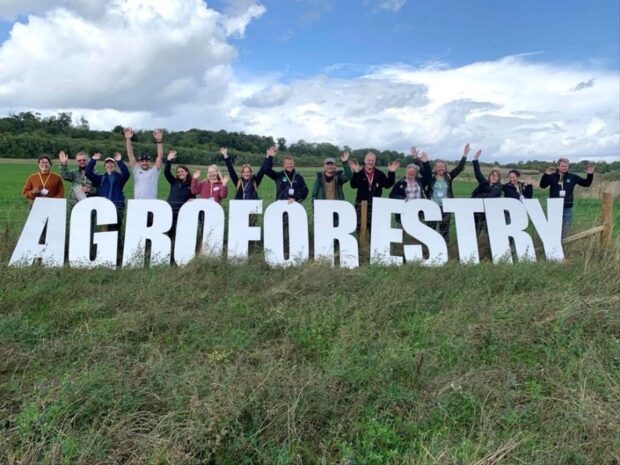
One highlight was a fully attended session chaired by Emma Dear, Principal Officer for Tree Establishment, on “Agroforestry for Nature Recovery.” Speakers included Geoff Newman (Agroforestry Senior Specialist), Sophie Mott (RSPB), and Iain Tolhurst of Tolhurst Organics. Geoff used the occasion to launch five ecological principles for nature recovery through agroforestry, a practical guide for anyone starting their agroforestry journey.
Five Ecological Principles for Agroforestry
1. Respect What’s Already There
“Right Tree, Right Place” starts with knowing your land.
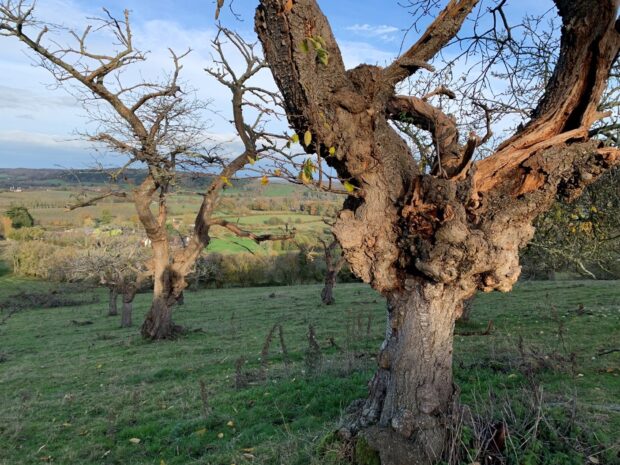
Before planting, take stock of what’s already thriving. Precious peat, species-rich grassland, veteran trees and existing scrub are valuable habitats supporting wildlife and should be protected and enhanced, not replaced. Agroforestry should complement what’s there. Blend new planting into the landscape and manage existing features with care.
2. Get Better connected
Nature thrives when habitats are joined up.
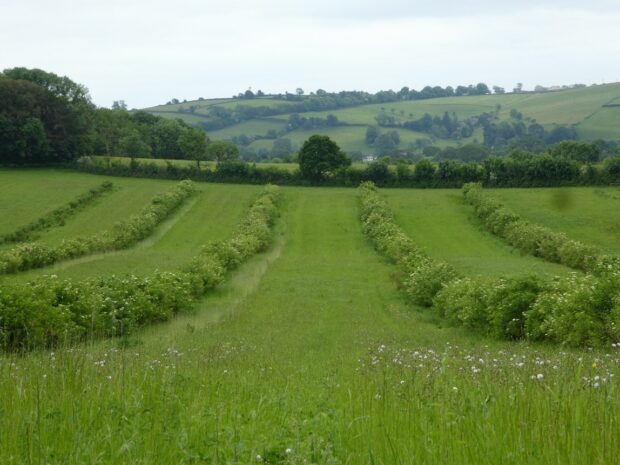
Agroforestry can fill gaps between woodlands, scattered trees or scrub, helping wildlife move across the landscape. With good design, shelterbelts, roundels or simple hedgerows can expand and buffer ancient woodland or wood pasture and introduce much needed‑ structure across sparse treed‑ areas. Design with connectivity in mind, small connections can make a big difference for birds, insects and mammals.
3. Go Native, Get Diverse (and Fruity!)
Native trees and shrubs support greater biodiversity, especially as they mature.
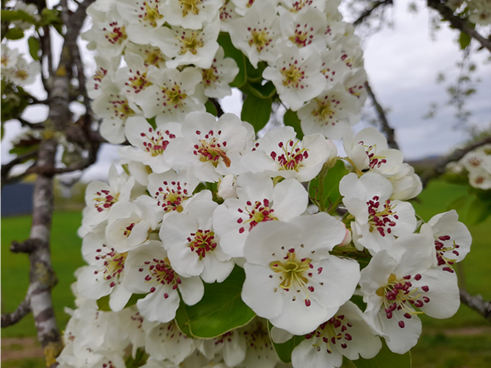
Choose species that evolved alongside local wildlife: oak, hazel and hawthorn offer food, shelter and nesting sites. Aim for a mosaic-effect with a mix of canopy trees and flowering scrub. Fruit trees benefit nature, they blossom early, age quickly and have plentiful deadwood to provide nectar and resources for wildlife. Vigorous rootstocks help create long-lived‑ trees that support both wildlife and farming. A diverse native mix of all ages builds resilient habitats for birds and invertebrates.
4. Get edgy!
Messy margins are magic for wildlife.
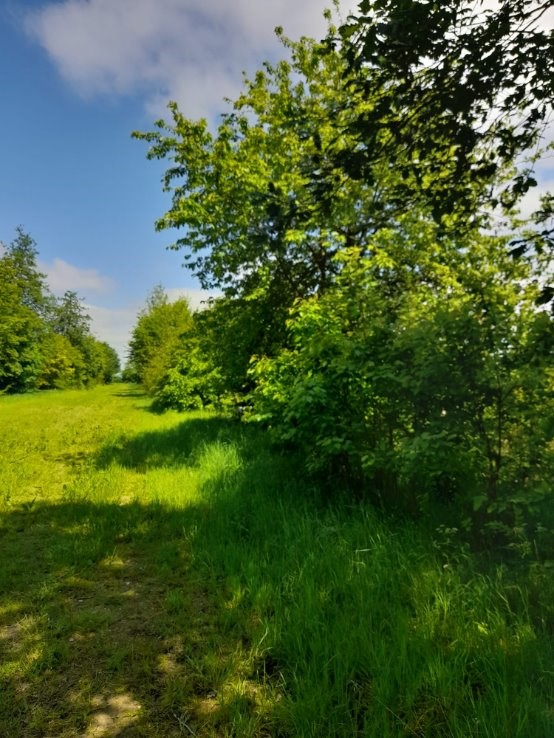
Agroforestry naturally creates edges between trees and open ground, mimicking glades and rides rich in biodiversity. Include open areas, shrubby understoreys and wildflowers. Avoid fencing too tightly around tree alleys to leave room for nature to flourish. Think naturalistic patterns, not neat rows. Grazing is important, just allow spaces for refuge and regeneration. Embrace marvellous messiness and let things grow wild.
5. Stay Wet
Wet areas are valuable, don’t drain them.
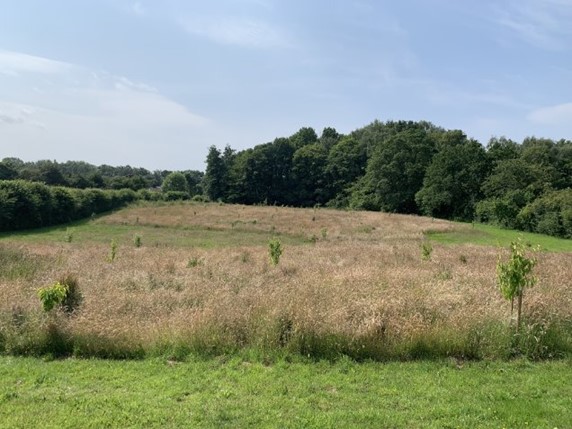
Ponds, seepages, ancient ditches and seasonal floods support unique wildlife, and even temporary wet patches may be relic ice age‑ ponds. Incorporated into agroforestry, they boost biodiversity and help regulate water across the landscape. Avoid planting trees to dry out land. Instead restore and embrace wet features. While some trees suit wet soils, seek advice before planting. Take a long-term‑ view and let natural processes guide decisions.
These principles have been adapted from the original six principles of woodland creation Agroforestry isn’t just about storing carbon or planting lines of trees. It’s an opportunity to restore nature while supporting productive, resilient farming. If you’d like to explore agroforestry options on your land or want to discuss the five principles, please contact your local Natural England Treescapes Officer or Forestry Commission Agroforestry Woodland Creation Officer.
Leave a comment