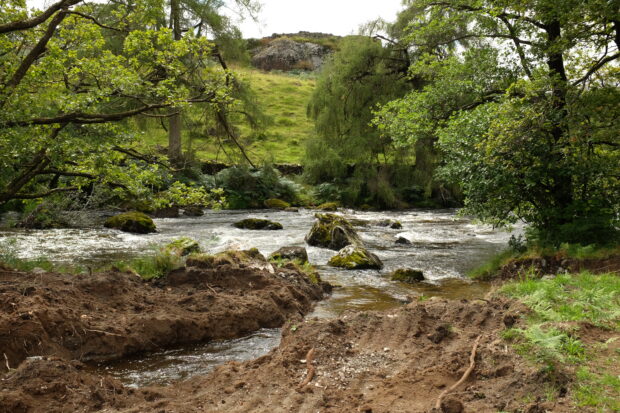
In this blog, Marian Spain reflects on Landscape Recovery, the ambitious agri-environment scheme uniting farmers, NGOs and investors across whole landscapes for 20-year commitments. Highlighting projects like Upper Duddon, Boothby and Evenlode, Marian shows how nature restoration and farm resilience combine to deliver food security, climate benefits and thriving rural communities.
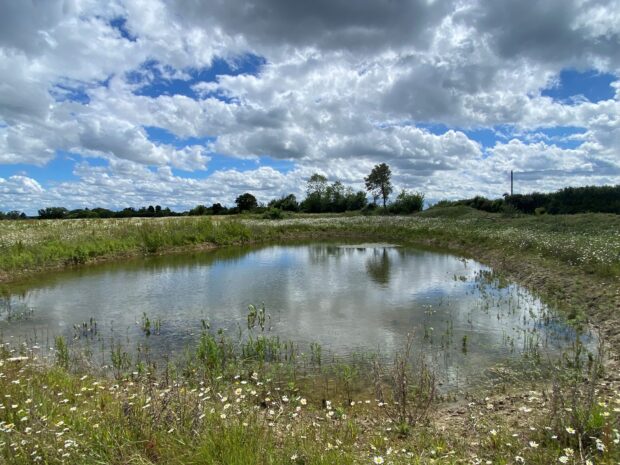
By Stephanie Bird-Halton, Director - National Delivery at Natural England The 2025/26 Annual Monitoring Report for Natural England’s District Level Licensing (DLL) for great crested newts has just been published. This blog explores the successes so far and shows that …
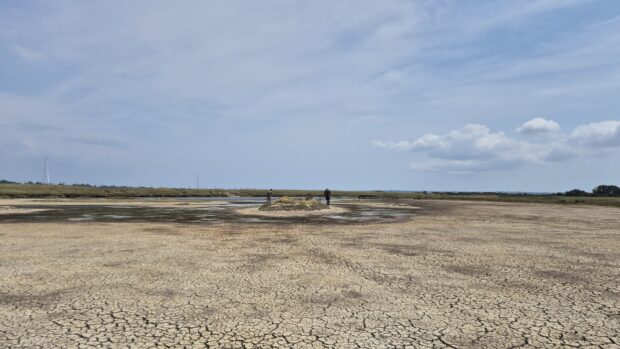
By Oliver Harmar, Natural England's Chief Strategy Officer This blog explains how climate change is affecting England, with a focus on drought and wildfire, while suggesting the actions that we can take to restore the natural landscapes that protect us …
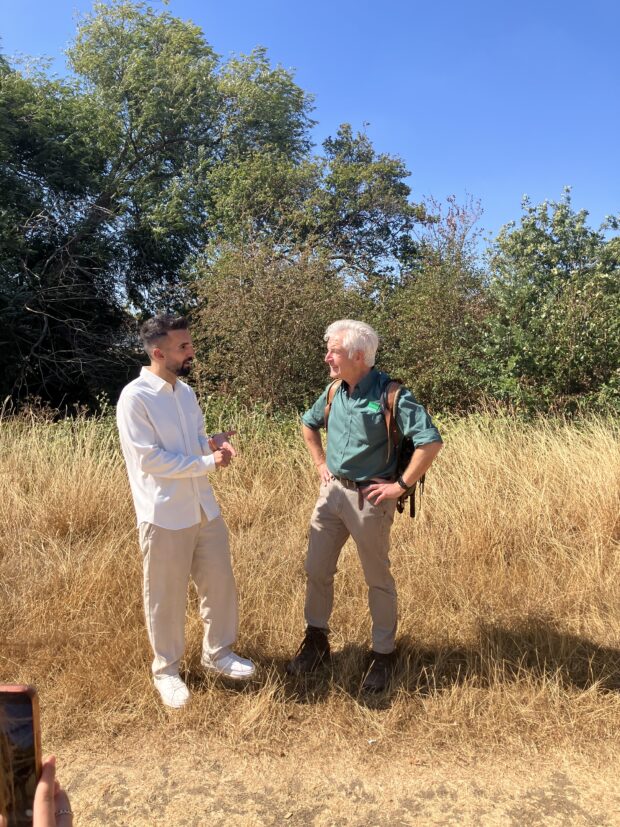
By Tony Juniper, Chair of Natural England In this blog, NE Chair Tony Juniper reflects on his recent visit to Pear Tree Park in Ealing with the Deputy Mayor Mete Coban to talk about the importance of green spaces for …
By Zoe Shorter, Project Manager for the SAMM Team, Thames Solent Area Team This blog explains the findings of an independent evaluation of the 15-year Thames Basin Heaths SAMM Project. Evidence suggests the project is successfully mitigating recreational pressure on …
By Sofía Muñoz and Scott Mitchell, Senior Specialists for Data Engagement and Analysis, Natural Capital and Ecosystem Assessment Programme This blog explains what Local Wildlife Sites (LWS) are, why they matter, and the importance of the new online hub where …
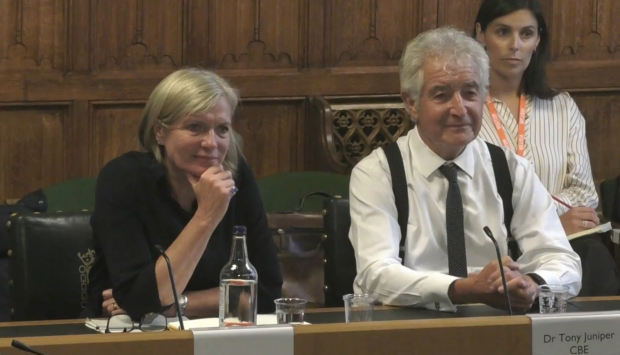
This blog is a summary of Marian Spain and Tony Juniper's appearance in front of the Environmental Audit Committee, and reflections on their time in office. Natural England's Chair Tony Juniper and Chief Executive Marian Spain appeared before Parliament's Environmental …
By Dougal McNeill, Principal Officer, Agri-Environment Delivery, Natural England This blog explains and breaks down the role of Defra, RPA and NE in the Countryside Stewardship Higher Tier process, while also discussing some of the benefits and challenges of the …
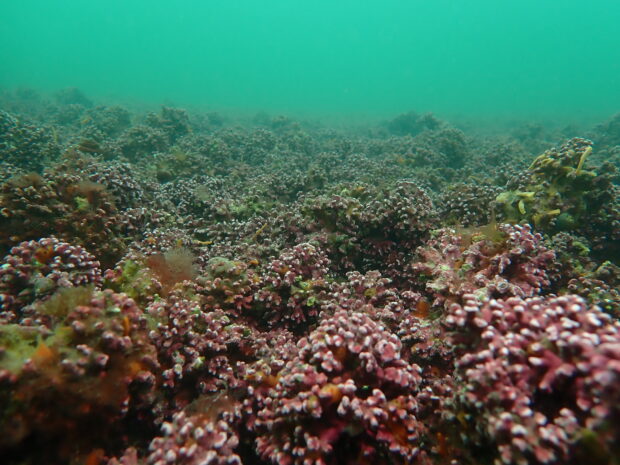
By Angela Gall - Marine Senior Officer, Devon, Cornwall and Isles of Scilly Area Team Off the south coast of Cornwall, in the cold, clear water, lie some of England's least-known natural treasures: the maerl beds. Earlier this summer, our …
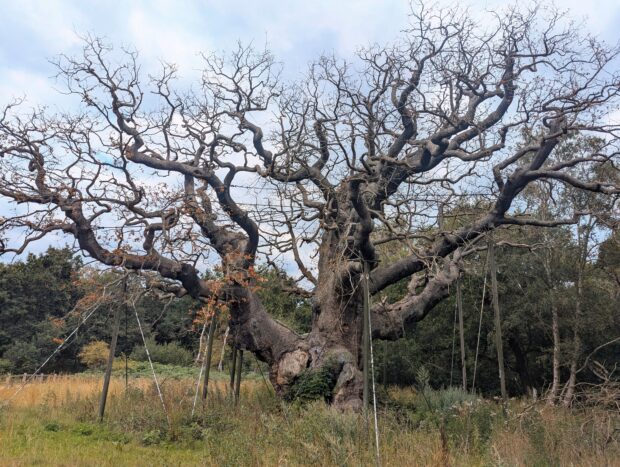
Karyn Haw, Senior Officer - Nature Recovery Network, East Midlands Area Team Karyn Haw, Senior Officer in Natural England's East Midlands Area Team, reflects on the recent news that Sherwood Forest's iconic Major Oak has died. Drawing on a career …
Related content and links
Stories and updates from Natural England
We’re the government’s adviser for the natural environment, helping to protect England’s nature and landscapes for people to enjoy.
Recent Comments