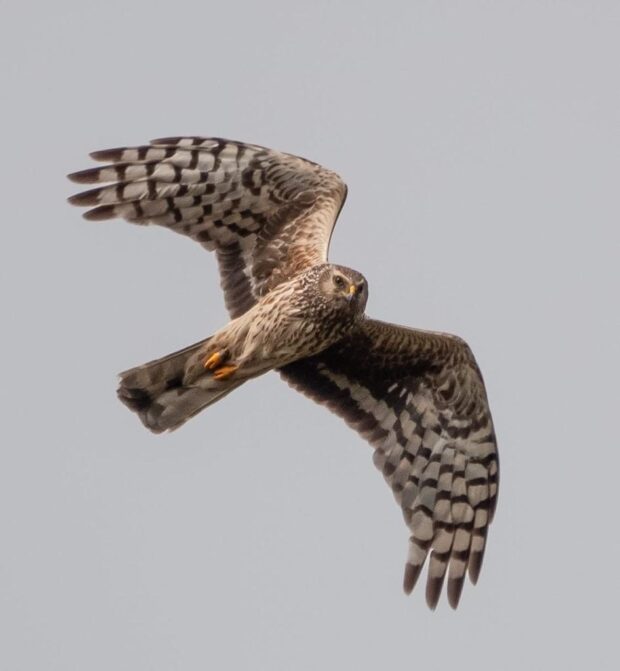
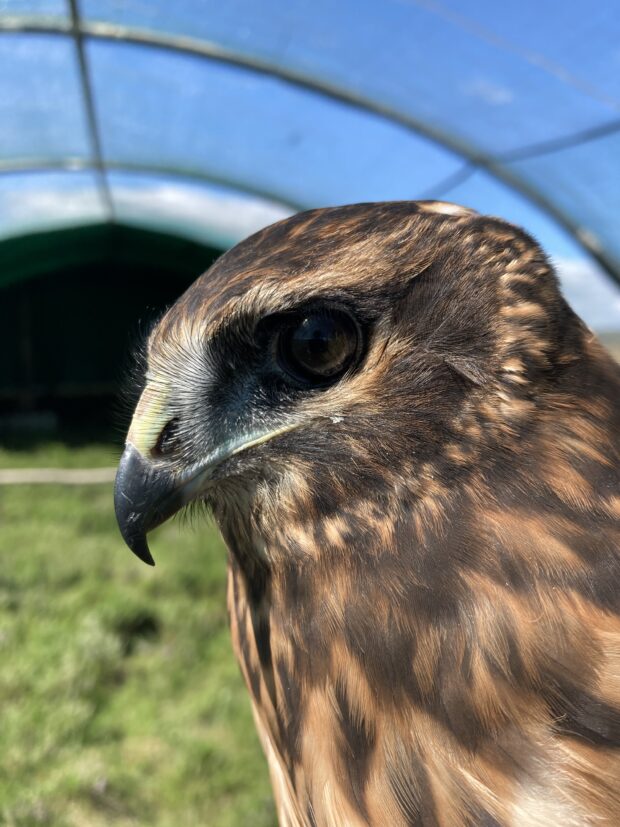
By Matt Heard, National Delivery Director Hen Harriers are one of the UK’s most distinctive birds of prey and, after decades of decline, have gradually returned to northern England as their population has recovered. Natural England and its partners are …
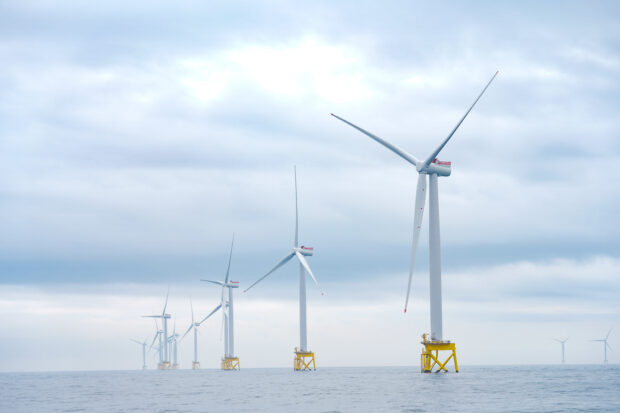
By Tony Juniper, Chair of Natural England In this blog, Natural England’s chair reflects on a recent site visit to a Suffolk port, from where he sailed out to see an offshore wind farm as well as a novel installation …
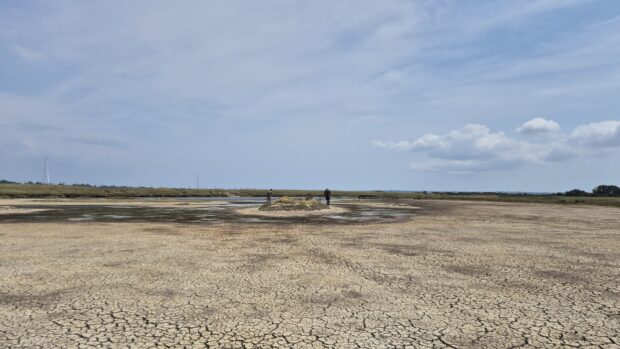
By Oliver Harmar, Natural England's Chief Strategy Officer This blog explains how climate change is affecting England, with a focus on drought and wildfire, while suggesting the actions that we can take to restore the natural landscapes that protect us …
By Zoe Shorter, Project Manager for the SAMM Team, Thames Solent Area Team This blog explains the findings of an independent evaluation of the 15-year Thames Basin Heaths SAMM Project. Evidence suggests the project is successfully mitigating recreational pressure on …
By Sofía Muñoz and Scott Mitchell, Senior Specialists for Data Engagement and Analysis, Natural Capital and Ecosystem Assessment Programme This blog explains what Local Wildlife Sites (LWS) are, why they matter, and the importance of the new online hub where …
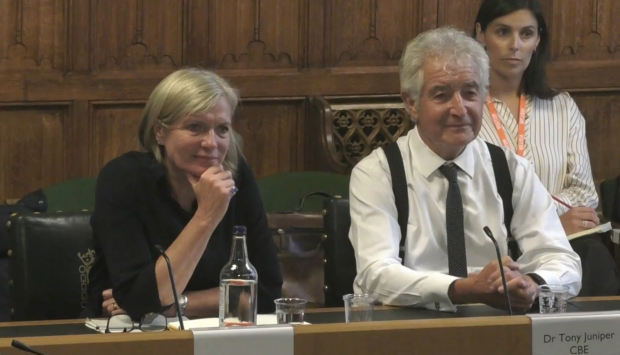
This blog is a summary of Marian Spain and Tony Juniper's appearance in front of the Environmental Audit Committee, and reflections on their time in office. Natural England's Chair Tony Juniper and Chief Executive Marian Spain appeared before Parliament's Environmental …
By Matthew Heard, National Delivery Director, Natural England Hen Harriers are one of the UK’s rarest birds of prey. However, they are at the centre of a long-running conflict because they prey on red grouse, which are managed for grouse …
By Emma Johnson, Midlands Deputy Director, Natural England Natural England has completed a detailed condition assessment of the River Lugg SSSI, part of the nationally protected River Wye catchment. This blog sets out the findings of that assessment, explaining the …
By Sarah Hammonds, Urban Greening Senior Officer This blog discusses the launch of two new tools: the Index of Multiple Environmental Deprivation (IMED) and the Environmental Equity Index (EEI). Built collaboratively over 18 months, they map environmental pressures and health …
By Alex Banks, Principal Specialist, Ornithology. Offshore wind development is a vitally important part of the UK government approach to tackling the climate crisis and addressing energy security. At the same time, it is also vitally important that we protect …
Related content and links
Stories and updates from Natural England
We’re the government’s adviser for the natural environment, helping to protect England’s nature and landscapes for people to enjoy.
Recent Comments