By Oliver Harmar, Natural England's Chief Strategy Officer
This blog explains how climate change is affecting England, with a focus on drought and wildfire, while suggesting the actions that we can take to restore the natural landscapes that protect us and increase our climate resilience.
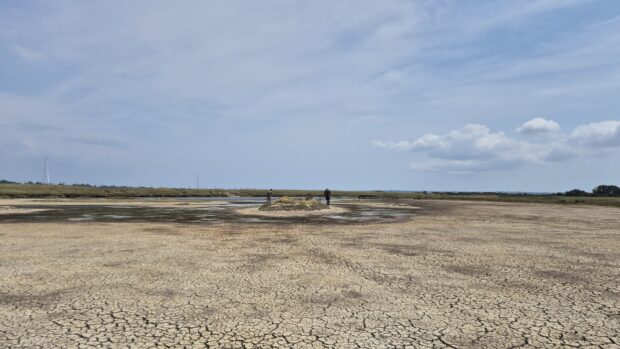
Drought in England has of course always posed serious challenges for people and the natural world. What's changing is how often we face it.
This year alone the England will have experienced an exceptionally wet winter followed by a long, hot summer bringing about our third drought in five years and the driest July in almost two centuries.
As climate change makes droughts more frequent and severe, the question is no longer just how we respond to the crisis in the moment, but how we adapt for the longer term, as a society, to live in a more unpredictable climate.
It means building landscapes that are naturally more resilient, so they can withstand drought better, recover more quickly afterwards, and reduce the associated risks: wildfire, water shortages, crop loss and biodiversity decline. Nature itself holds many of the answers.
A growing and connected risk
Climate change is driving more frequent droughts and higher wildfire risk, with growing impacts on people, nature and water security. These are not separate challenges. Dry landscapes are fire-prone landscapes, and the two must increasingly be treated as connected risks, requiring cross-sector partnership working to support land managers on the ground.
The scale of what's at stake is significant. For example, In England, 65% of our drinking water comes from surface water such as lakes and rivers, much of it starting out in our upland areas. It means tackling the problem is priority work, for people and nature.
What we're seeing on the ground
Across our National Nature Reserves, drought is affecting water availability in ways that cascade through our landscapes and ecosystems. Ponds, rivers, dykes and wetlands have dried to exceptionally low levels. In some upland sites, species-rich environments have dried out completely, in some cases that may be unprecedented in our records. Lowland raised bogs have seen significant water table declines, particularly where they have not yet been restored, leading to peat breaking down when air reaches it and erosion.
Wildlife has felt these pressures acutely: breeding waders have struggled with reduced feeding opportunities and higher risk of chick dehydration, fish kills have occurred where oxygen levels have dropped, and some specialist wetland invertebrates, including white-faced darter and large heath butterfly populations, have suffered substantial declines.
And farmers are reporting significant reduced yields.
The overall picture is one of significant strain on landscapes that are already contending with multiple, sometimes conflicting, pressures. Some sites this year faced both unusually wet spring conditions and summer drought in the same season, a reminder of just how variable and challenging our climate is becoming.
Fires at sites like Holme Fen in Cambridgeshire illustrate the challenge starkly. Dried peat can burn for months, releasing stored carbon. They are extremely difficult to extinguish once fire penetrates deep into the ground which also places pressure on our emergency services and people working on those sites to tackle.
Understanding the fuller picture
While the short-term impacts of drought are visible now, there are also impacts that emerge later and recur over time. Natural England is developing a research and monitoring programme specifically focused on the impacts of drought and wildfire, because many of the most serious consequences may not become fully apparent until future seasons.
We are also increasingly responding to drought permits and orders; requests to allow more flexibility in managing water resources when there is an exceptional shortage of rain. These measures are designed to avoid lasting damage, but they are growing in frequency.
Holding water for longer: restoring the systems that protect us
Restoring the natural systems that help our landscapes cope in the first place is critical.
In particular, restoring our wetlands and peatlands so they can do what they naturally would, is one of the most effective tools we have. It helps them hold onto water for longer to reduce flooding and keep water where it should be helping them resist fire. Wetter landscapes recover more quickly from drought and help maintain water levels for drinking water as well and water for our treasured wildlife.
Restoration of sphagnum moss on peatland is one of the most common methods. Restoring this plant cover, alongside work like blocking artificial drainage channels, helps peatlands hold water much more effectively. Long-term restoration work in the Peak District and South Pennines, led by partners such as Moors for the Future, has shown that this kind of restoration can slow the flow of water off the hills, helping to protect communities downstream while also storing carbon and supporting biodiversity. It's a strong example of how work that's good for nature is good for people.
Beavers offer another compelling example. By building dams and creating wetlands, beavers naturally store water, filter it, and help keep the ground moist for much longer after rain has stopped, acting as both a lifeline during drought and a natural firebreak against wildfire.
Reintroducing beavers has real potential to support nature's recovery. Natural England is working closely with partners to manage reintroduction licences carefully, to make sure the return of beavers benefits both wildlife and local communities.
What this means for people
As hotter, drier summers become more common, climate-resilient landscapes play an increasingly important role in protecting people’s health and wellbeing.
Trees, parks, wetlands, rivers and other nature-rich spaces provide cooling shade, help reduce the impacts of heat stress, improve air quality and create places for recreation and relaxation.
As part of our natural health service, they help communities stay healthy, active and resilient in a changing climate.
Working together with the National Drought Group
No single organisation can tackle a challenge of this scale alone. Natural England sits on the National Drought Group. Working alongside government, water companies and other partners to coordinate our response to drought and ensure that the needs of nature are properly represented in national planning.
This collaboration allows us to bring our evidence and experience from reserves across the country into decisions that can improve water management, drought response and long-term resilience planning at a national level.
Looking ahead
On our National Nature Reserves, restored wetlands and bogs have consistently held onto water better than areas that haven't been restored, offering vital refuges for wildlife throughout drought periods. Habitats with more variety and structure, such as developing wooded areas, have proven more resilient than open, exposed habitats.
By continuing to invest in these nature-based solutions, deepening our research into the longer-term impacts of drought and wildfire, and working closely with partners through the National Drought Group and beyond, we can help build a landscape that is genuinely more resilient to the droughts of the future, for wildlife, and for the people who depend on it.
Leave a comment