By Stuart Otway – Principal Officer, Complex Licensing; Delphine Pouget - Principal Officer, Species Recovery & Reintroductions; Giles Wagstaff - Senior Officer, Complex Licensing; Amy Radford – Senior Officer, Species Recovery & Reintroductions
Two newly licensed beaver projects will very soon begin their wild releases in the south-west. These projects join the National Trust’s licensed release at Purbeck in Dorset, forming a growing network of responsible, well-planned reintroductions across the region.
These projects have all been exemplary in raising awareness, understanding and trust with local infrastructure, farming and fisheries managers. Building on last year’s (2025) policy announcement and the high interest highlighted in our August blog, these releases mark the next exciting step in restoring a species that is already supporting nature recovery at a landscape scale.
A growing national programme
These licences are part of a wider effort to support beaver recovery across England. Natural England is currently working with a further 30 promising wild release projects, each at different stages of development.
- Nine of these have already been invited to apply for licences, including proposals in Devon, Cornwall, Dorset, Kent, the Isle of Wight and Cumbria.
- The remaining projects are building partnerships, engaging local communities, and assessing benefits and risks across their catchments.
- Several are exploring releases into some of England’s largest river systems, including the Humber, Severn and Thames.
This landscape scale approach reflects what we set out in our 2025 blogs: successful reintroduction depends on long-term thinking, collaboration and careful planning across whole catchments, not just individual sites.
New tools and support for responsible management
Alongside licensing, Natural England continues to strengthen the tools and guidance available to land managers, communities and project partners.
On 2 February 2026, we launched the Beaver Considerations Assessment Toolkit (BCAT) - a new online mapping tool that helps users understand where beavers are likely to thrive, where they may build dams, and how they might interact with infrastructure, habitats and other features. This resource supports early planning, risk assessment and constructive conversations with local stakeholders.
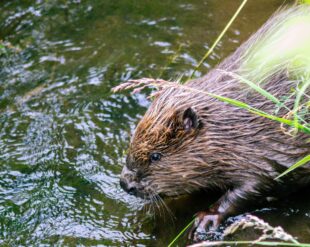
Defra, supported by Natural England and the Environment Agency, is also leading a major programme of workshops and studies to develop a Long Term Management Plan for beavers in England. This work brings together voices from farming, fisheries, forestry, water and energy, heritage, public access, academia, environmental NGOs and more. Independent assessments of socioeconomic benefits and risks are underway, and the plan is expected later this year.
Getting reintroduction right—for nature and for communities
Reintroducing beavers is ambitious, but it must also be responsible. Our licensing process is designed to strike the right balance: bold enough to restore a keystone species, and proportionate to avoid unintended consequences.
Initial expressions of interest are intentionally straightforward—around 2,500 words—to unlock expert advice and support. Full licence applications then meet rigorous criteria based on the English Code, ensuring projects:
- engage local communities and stakeholders
- plan for healthy, sustainable populations
- put robust monitoring and management in place
- think at the scale of whole river catchments
We’ve received strong positive feedback on this approach from stakeholder groups who have concerns about risks to infrastructure, farming and fisheries. We’ve also had mixed feedback from applicants, many welcoming the approach, but some asking us to review and clarify our guidance on the level of local engagement required before application, and our guidance on roles and responsibilities for beaver activity monitoring and management.
We will continue to refine our approach and guidance, but the principle remains unchanged: responsible reintroduction is the only way to secure beavers’ future in England.
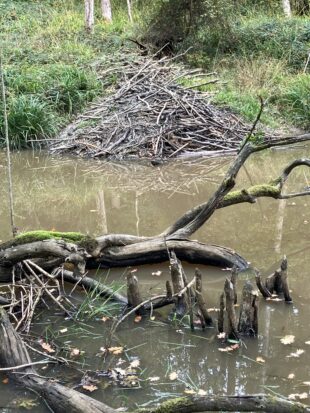
Why illegal releases undermine progress
Unlicensed releases risk creating isolated, inbred populations and can trigger conflict with farmers and land managers. Experience from elsewhere shows that unmanaged introductions can trigger heightened tension, calls for lethal control and persecution. That is why Natural England insists on well-planned, collaborative projects built on engagement and trust. These foundations are essential for long-term coexistence.
Looking ahead
Later this year we intend to open again for further expressions of interest from potential wild release projects. We will continue to review and improve our processes, drawing on feedback from the south west projects and others already in development.
Reintroducing beavers is a significant milestone with the potential to make a huge difference to nature recovery. Natural England is proud to champion this work, support our partners and ensure that beaver return is managed in a way that benefits both wildlife and communities.
If you’d like to explore the science, policy and principles behind this programme, you can revisit our two 2025 blog posts, and follow along as we continue this exciting journey toward a wilder, more resilient England.
Beyond beavers
It is important to reflect that beaver reintroduction is just part of Natural England’s broader commitment to restoring nature and rebuilding resilient ecosystems across the country. Beavers are a flagship example of the wider species recovery and reintroduction ambition set out in the Environment Plan 2025 - demonstrating how carefully planned, collaborative action can help revive degraded landscapes, boost biodiversity and create healthier, more climate resilient places for people and wildlife alike. And species recovery builds upon a growing network of ambitious landscape-scale nature recovery projects and initiatives, working with partners and communities to restore habitats and ecosystems across the country.
6 comments
Comment by rob yorke posted on
good stuff - pragmatic application is so much more the reality rather than online speculation.
though assume caption is the river Frome (not From) in Somerset
Comment by Peter Drake posted on
I await the next round of releases with interest. The beaver project up here in Northumberland has been a huge success.
Peter Drake teacher QEHS Hexham Northumberland
Comment by Adrian posted on
I’m on the Isle of Wight.
I would love to see the reintroduction of Beavers over here.I’m sure it would benefit the island tremendously!
Comment by EMRO posted on
An absolute disaster for our existing endangered protected species and habitat. Also, the financial and inevitably increasing long term cost of this action is being imposed on local councils and communities without adequate consultation at all levels including government. The negative experience in Scotland appears to be have been ignored or overridden by eco-activists who continue to publish misinformation based on their ideological beliefs. These 'groups' will no doubt lead national protests when the inevitable culling programmes are licensed in future. The oft quoted argument that beavers coexisted successfully with our existing species is hopelessly flawed as some of the potentially impacted species are now at risk of extinction. The beaver release programme should be halted immediately and any funding redirected to the preservation of our existing 'at risk' species and habitat.
Comment by Natural England posted on
We recognise that people hold a range of views about beaver reintroduction, and we understand the importance of ensuring that any releases are carefully designed and managed so that risks are properly addressed. The government’s policy on wild beaver releases was developed following extensive evidence review and recommendations by Natural England, a national public consultation led by Defra, lessons learned from Scotland and elsewhere, expert input and MP scrutiny through an EFRA Committee inquiry on species reintroductions, and a cross government write round before the policy and approach was announced last year.
Each proposed wild release must also go through its own local engagement, risk and benefits assessment, and Habitats Regulations Assessment before any licence is granted. The published management framework – including the five step approach to managing beaver impacts – provides a clear, practical basis for addressing issues where they arise, alongside ongoing monitoring and adaptive management. We believe that beaver reintroduction can be a key component of ambitious catchment-scale river restoration and nature recovery, and a balanced, evidence led approach allows the benefits of beaver activity to be realised while ensuring that potential impacts are properly understood and managed.
Comment by Joanna Borrett posted on
What a wonderful project