Protecting one of England's rarest marine habitats: Natural England's work on maerl

Posted by: , Posted on: - Categories: Biodiversity, Evidence, Marine environment, Monitoring, Natural England, Nature
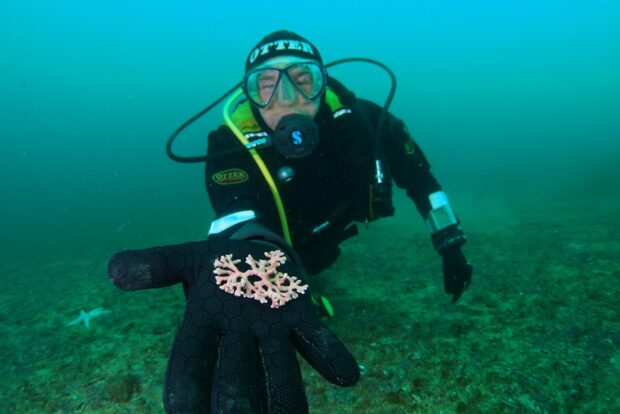
Maerl researcher and academic Professor Jason Hall-Spencer showing Phumatolithon calcareum maerl. Credit Matt Slater

By Angela Gall, Marine Senior Officer Hidden beneath the waves along the south coast of Cornwall lies an ancient marine habitat, maerl beds. These pink, twiglet-shaped rhodoliths are free-living, calcified red seaweeds forming intricate, three-dimensional structures on the seabed. They're …
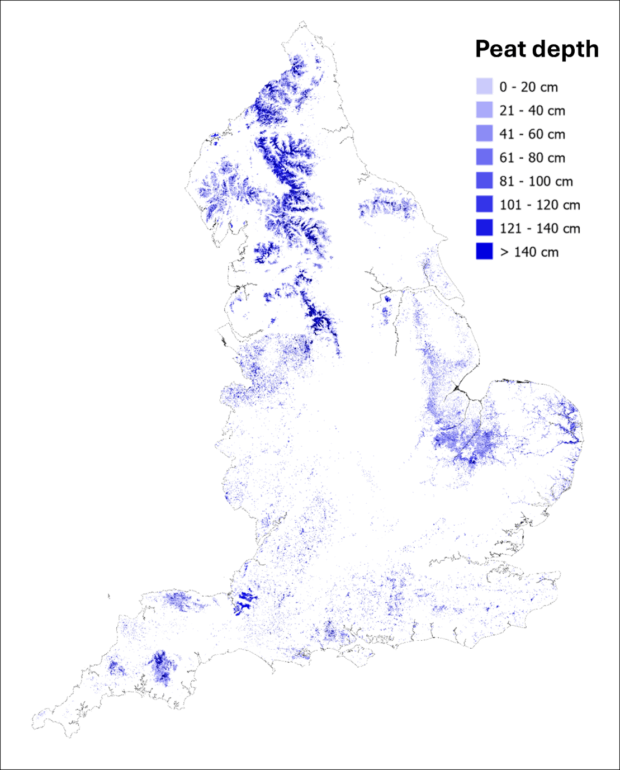
A new peat map for England 

By Dr Ruth Waters, Director for Evidence, Natural England, and David Jones, Senior Responsible Officer for the Natural Capital and Ecosystem Assessment, Defra England’s peat deposits are one of our most valuable national assets. They’re our largest carbon store, they …

Guest blog: Benefits of engaging local communities in BNG

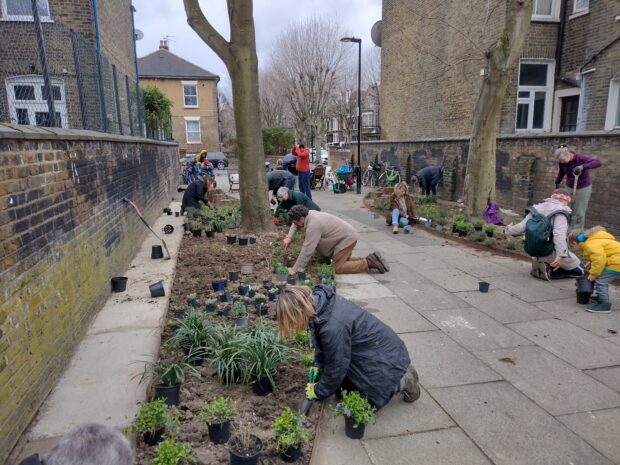
Members of a community work on a project to increase biodiversity on a London thoroughfare

Rosie Whicheloe, Senior Planning Ecologist for a local authority in London, explains how she’s looking at the benefits of public engagement in BNG for the communities in which they live. Delivering social value alongside BNG is incredibly important in urban …