By Greg Shaw, Senior Officer – Biodiversity Net Gain (Strategic Solutions and Biodiversity Net Gain Team). Across England, many communities face depleted green spaces and health inequalities. Biodiversity Net Gain (BNG) can offer a clear link between development, wellbeing and …
By Alex Banks, Principal Specialist, Ornithology. Offshore wind development is a vitally important part of the UK government approach to tackling the climate crisis and addressing energy security. At the same time, it is also vitally important that we protect …
In this post, Mike Morecroft, Deputy Director for Climate Change Science at Natural England, reflects on the Resilient Landscapes and Seas partnership symposium held recently in Edinburgh, where conservationists, scientists and land managers from across the UK and beyond came …
How do you create dynamic habitat systems, that are allowed to shift, grow, and reshape themselves naturally, within the rules of Biodiversity Net Gain (BNG)? BNG requires that developers leave nature in a measurably better state either on site and …
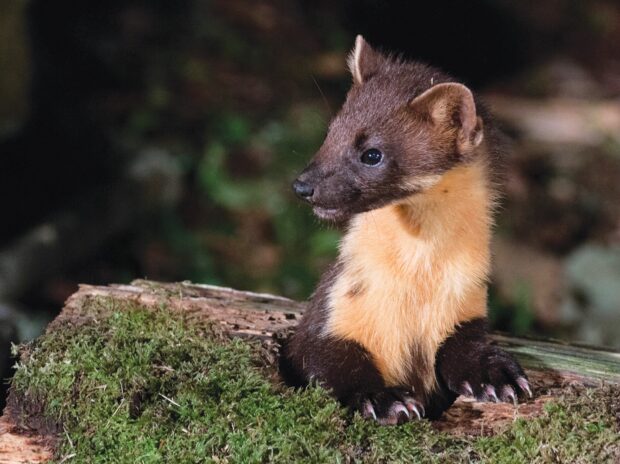
How do we know when a species is truly thriving, rather than just surviving? This is the question Natural England has been working to answer. We've now published new definitions that set out exactly what success looks like for four …
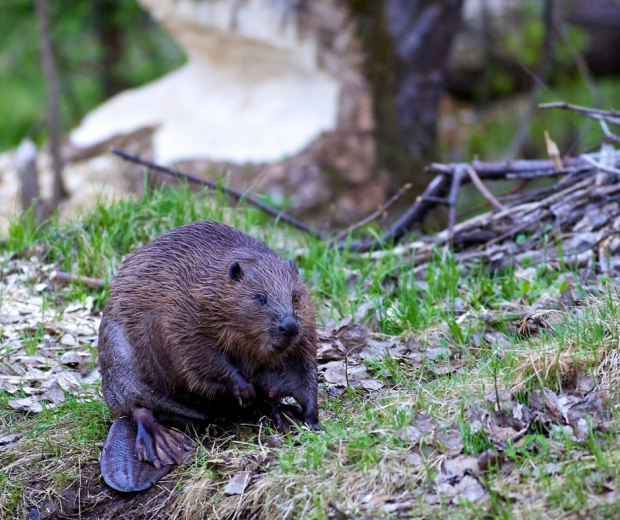
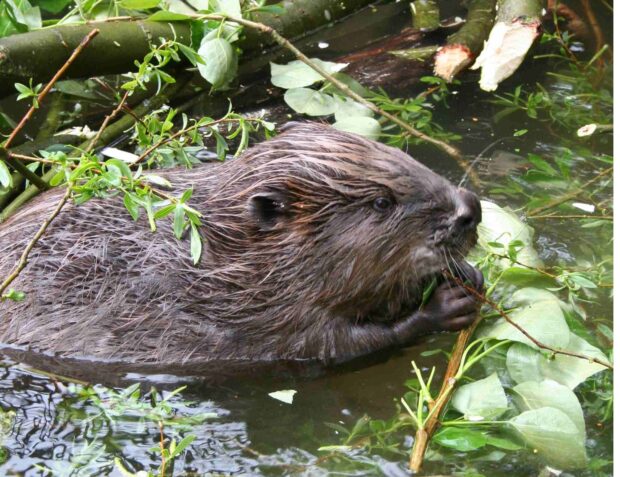
By Stuart Otway – Principal Officer, Complex Licensing; Delphine Pouget - Principal Officer, Species Recovery & Reintroductions; Giles Wagstaff - Senior Officer, Complex Licensing; Amy Radford – Senior Officer, Species Recovery & Reintroductions Two newly licensed beaver projects will very …
By Heather White - Senior Data Scientist and Daveron Smith - Principal Data Scientist In this blog, we launch the Beaver Considerations Assessment Toolkit (BCAT), a new mapping tool that has been developed by Natural England (NE), in collaboration with …
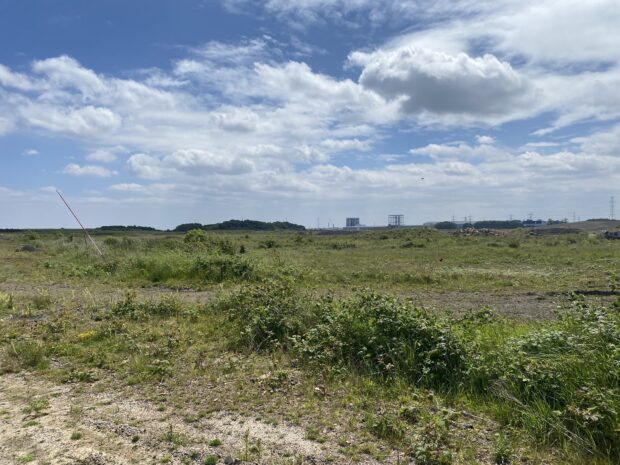
By David Feige, Northumberland County Council In this guest blog, David Feige, County Ecologist for Northumberland, explains the approach taken to approve a major new industrial development on a brownfield site at Cambois. The site contained a significant amount of …
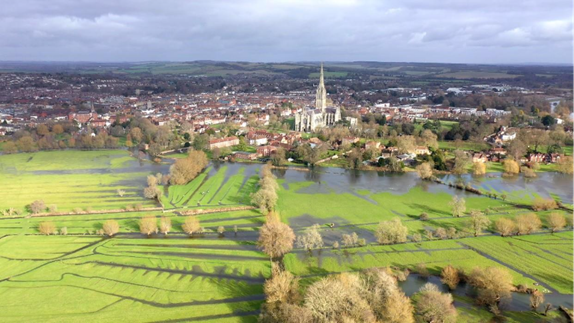
By Edward Parrott, Senior officer - Agri-Environment Evidence team, Natural England Earlier this year I had the pleasure of joining contractors LUC and industry experts on a visit to Harnham water meadows - a rare surviving example of a centuries-old …
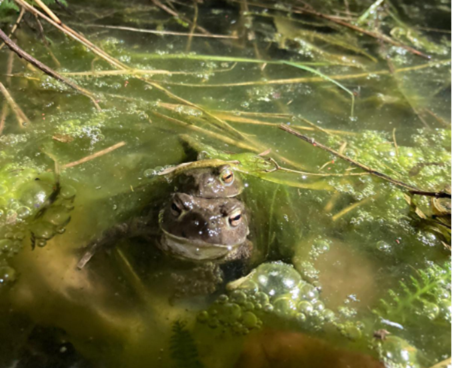
By Amy Stocking and Matilda Dixon, Higher Officers for Citizen Science Ponds may be small, but they punch well above their weight when it comes to biodiversity, supporting around two-thirds of all freshwater species in the UK. Yet they have …
Related content and links
Stories and updates from Natural England
We’re the government’s adviser for the natural environment, helping to protect England’s nature and landscapes for people to enjoy.