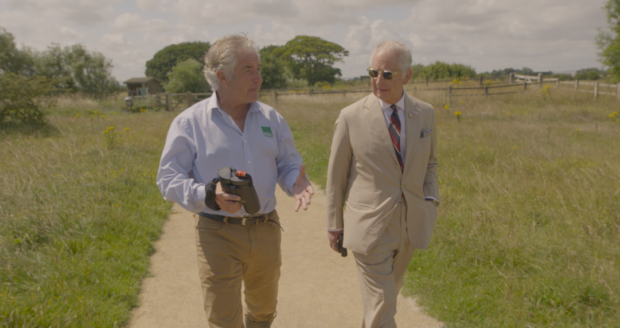
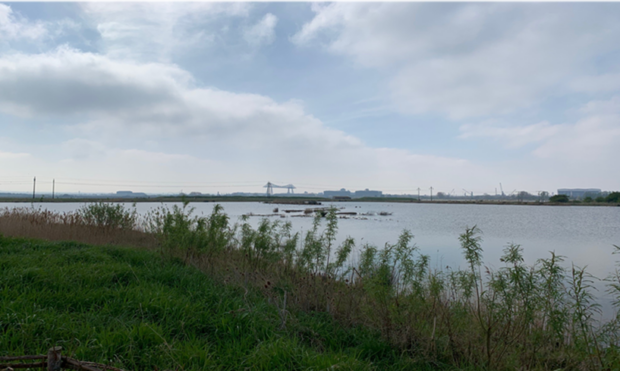
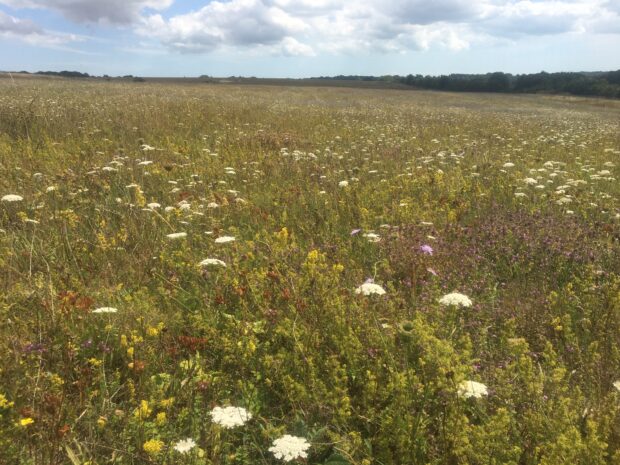
In summer 2023, King Charles III visited a new Natural England National Nature Reserve (NNR) on the Greater Lincolnshire Coast to film for a BBC documentary to be broadcast on Boxing Day. The Lincolnshire Coronation Coast NNR was officially declared …
Natural England has launched a new licensing scheme in Hertfordshire to help conserve local populations of great crested newts, while promoting sustainable development. Since Natural England launched District Level Licensing (DLL) in 2019, the scheme has expanded to cover 21 …
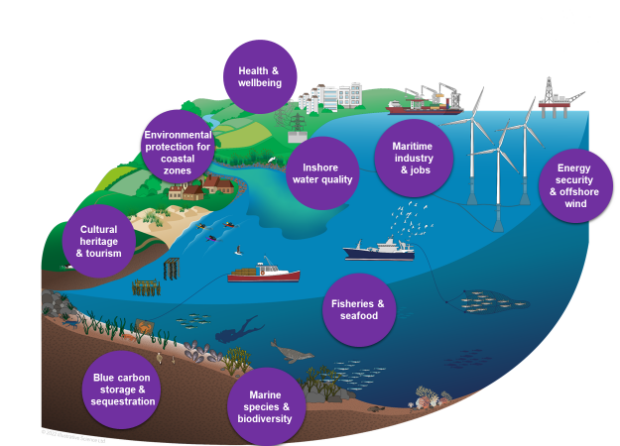
By Jonathan Burney, Director of Marine Strategy and Government Advice The Government have released their response to the public consultation on the principles of Marine Net Gain (MNG). This exciting, emerging area of marine policy offers opportunity to accelerate marine …
By Mike Morecroft, Deputy Director, Climate Change Science As we look ahead to the UN Climate Change Conference (COP28) starting this week in Dubai, it’s worth reflecting on how climate and nature are inextricably linked. Much of our work at …
Image: Natural England The government passed the Levelling-Up and Regeneration Bill into law on 26th October 2023, making it the Levelling-Up and Regeneration Act. This creates a legal requirement for certain wastewater treatment works designated by the Defra Secretary of …
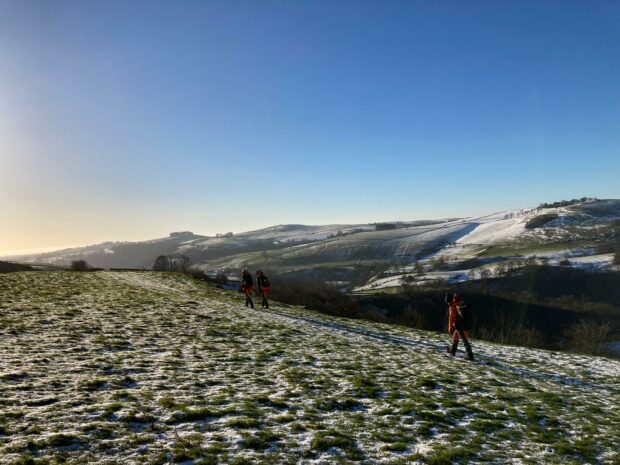
It is no easy feat, hefting heavy gear across rugged terrain, with young, tender saplings in tow. But that’s exactly the task of our amazing woodland restoration teams as they set about tree planting in the autumn and winter seasons. …
Jonathan Larwood, Natural England Principal Geodiversity Adviser, celebrates the second ever International Geodiversity Day and its theme of ‘Geodiversity is for everyone’. International Geodiversity Day is an annual global celebration, supported by UNESCO, of all aspects of geodiversity. This year’s …
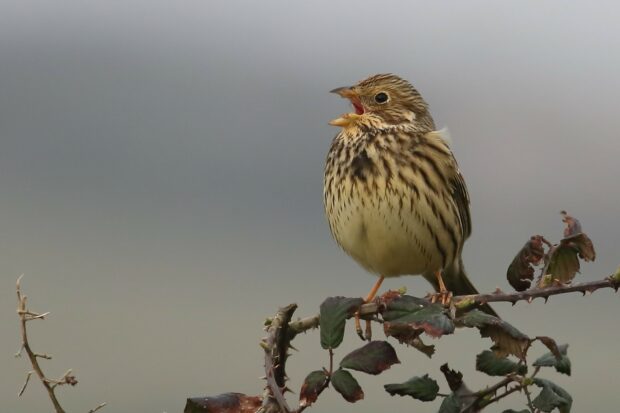
By Karen Shelley-Jones, Species Recovery Programme Manager and James Phillips, Principal Adviser for Species Recovery and Species Re-introductions England’s species are amazing. They can charm, intrigue, amaze, inspire and frighten us. They spark our interest and concern. They are also …
As a farm conservation adviser for Natural England, I’ve been working closely with farmers across Kent for 25 years to support them to incorporate wildlife friendly farming practices across 25,000 hectares of farmed landscape. By building long term, collaborative relationships with farmers on the ground and helping them enter environmental schemes such as Countryside Stewardship, …
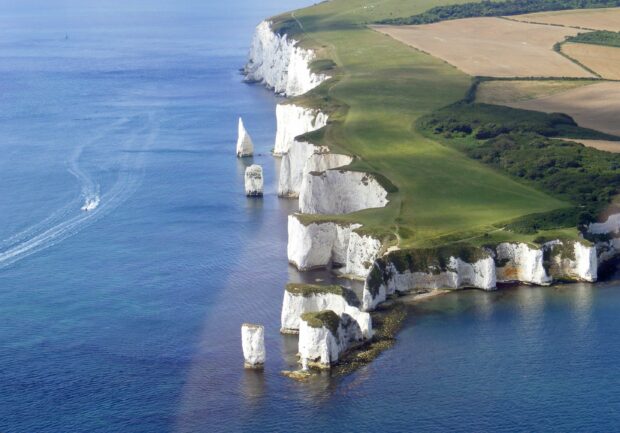
By Louise Whatley, Marine Ecology Specialist and Elizabeth Mitchell, Senior Advisor for Engagement and Impact As summer sets in in earnest, millions of us will head to the coast. In between dropping our ice-creams on our feet and taking a …
Related content and links
Stories and updates from Natural England
We’re the government’s adviser for the natural environment, helping to protect England’s nature and landscapes for people to enjoy.