By Chloe Fay, Principal Officer for Urban Greening and Nature Towns and Cities
Nature Towns and Cities is a UK-wide movement helping urban areas become greener, healthier and more connected to nature. Recent learning events in Sunderland and Bristol brought local authorities, communities and partners together to share ideas and visit local projects, from regenerated green spaces to community-led "Greening Permits". Read on to see how both cities are turning ambition into action, and what it means for the programme's goal of improving green space for 10 million people over the next decade.
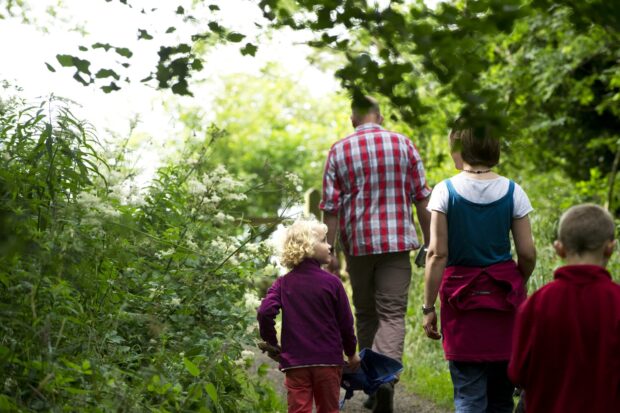
How can we put nature at the heart of the places where people live, work and spend their everyday lives? That ambition sits at the centre of Nature Towns and Cities, a growing movement helping make urban areas greener, healthier and more connected to the natural world.
Founded by The National Lottery Heritage Fund, Natural England and the National Trust, the programme supports towns and cities across the UK to create places where people and nature can thrive together.
Recent learning events in Sunderland and Bristol offered a glimpse of what this looks like in practice. Local authorities, voluntary organisations and delivery partners shared ideas, reflected on challenges and explored practical solutions. Discussions ranged from green finance and partnership governance to tree equity and public engagement, while site visits showcased inspiring local projects and thriving green and blue spaces.
Natural England was represented at both events, with Chief Officer for Strategy Oliver Harmar attending in Sunderland and our new Chief Executive, Neil Hornby, joining partners in Bristol. Together, the events demonstrated the enthusiasm, creativity and commitment helping turn ambition into action across the Nature Towns and Cities network.
Sunderland: nature and pride in place
In Sunderland, local authorities, partners and community organisations highlighted how investment in nature can support regeneration and strengthen pride in place.
Supported by a £490,000 grant from The National Lottery Heritage Fund through Nature Towns and Cities, Sunderland is creating more opportunities for residents to experience and shape their local natural environment while building on the city's distinctive identity.
Its shipbuilding and mining heritage remains central to its story. Alongside it, nature recovery, public realm improvements and community spaces are helping create places that celebrate Sunderland's past while looking confidently to its future.
Visits to Copt Hill, King George V Park and Flint Mill brought that change to life. At Copt Hill, a once-overlooked landscape has become an inviting green space, while King George V Park is attracting visitors and supporting a thriving local café. At Flint Mill, habitat improvements and better access are helping people enjoy the environment on their doorstep.
The common thread was people. These projects are not simply improving landscapes; they are helping local neighbourhoods rediscover and reconnect with the places around them. Reflecting on the visit, Natural England's Chief Officer for Strategy, Oliver Harmar, said: “It has been brilliant over the last year and a half to see Nature Towns and Cities growing from strength to strength. While this may be a national initiative, what I saw in Sunderland were inspiring examples of local leadership and innovation, all focused on bringing the benefits of nature and green space to those who need them most.”
Bristol: empowering communities to act
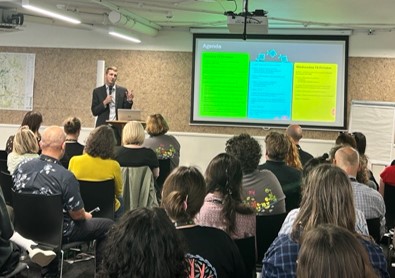
In Bristol, our new Chief Executive, Neil Hornby, joined partners to see a different approach to bringing nature closer to people. Supported by a £984,126 grant from The National Lottery Heritage Fund through Nature Towns and Cities, Bristol's Nature Together project is transforming how the city works with partners and communities to support local action for nature.
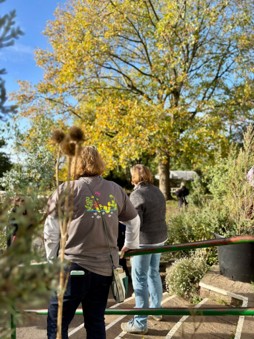
One innovation is the Greening Permit, a simple scheme that enables residents and community groups to create small-scale nature projects in council-owned green spaces, such as planters, wildflower areas and tree planting. By streamlining permissions, it helps communities turn ideas into action while supporting neighbourhood nature planning and strengthening volunteering, community leadership and ecological expertise across the city.
Visits to Lockleaze, The Ardagh and Horfield Common demonstrated what collaboration can achieve when local people have the support and opportunity to shape their green spaces. The events were also about learning from each other. People from different towns, cities and organisations came together to discuss successes, challenges and new approaches, generating ideas that can travel between places.
Growing a movement for urban nature
Sunderland and Bristol are different cities with different opportunities, but both demonstrate the value of bringing local authorities, partners and residents together around nature. For Natural England, being part of Nature Towns and Cities means contributing expertise and partnerships to that collective effort, while also listening and learning from the places already making change happen.
Nature Towns and Cities has an ambition to improve neighbourhood green space for 10 million people over the next decade. With the partnership continuing to grow and more places sharing their knowledge and experience, Sunderland and Bristol offer an exciting glimpse of what's possible when nature is woven into the fabric of everyday life. Through greener neighbourhoods, stronger local connections and better access to nature, the programme is bringing to fruition Natural England’s strategic aim to build nature into everyday life for more people in towns and cities across the country.
Find out more on the Nature Towns and Cities website.
Leave a comment