By Hannah Rigden, Senior Historic Environment Officer, Landscape, Heritage and Geodiversity Team
This blog introduces a new Natural England report, Landscape, species and anthropogenic change 5: Ancient grasslands, the first in a series. The report reviews the archaeological, historical and palaeoecological literature to bring together the most up-to-date evidence on who shaped England's habitats, what changed, why, when and how.
The series also offers an introduction to the clues about past land use that you can find in place names, field patterns and buildings. Illustrated timelines show the trends in how habitats formed and were lost over time.
Our evidence helps us to:
- understand the environmental history and the role of people in shaping places
- tell stories of landscape change that engage and inspire people
- inform nature recovery decisions
- see historic places as sites where nature can thrive.
Over my career, I have had some amazing places as "my patch". These experiences have shaped my own connection to nature and how I work. Let me tell you about one of my favourite pieces of casework.
Rose End Meadows
I was at Rose End Meadows SSSI, meeting one of the farmers to talk about how he managed his land. Sweet cicely in the verges smelled of aniseed. I was surrounded by tiny, irregularly shaped fields, many smaller than a tennis court. Each field seemed to have its own community of plants, with different colours and textures. It was very peaceful.
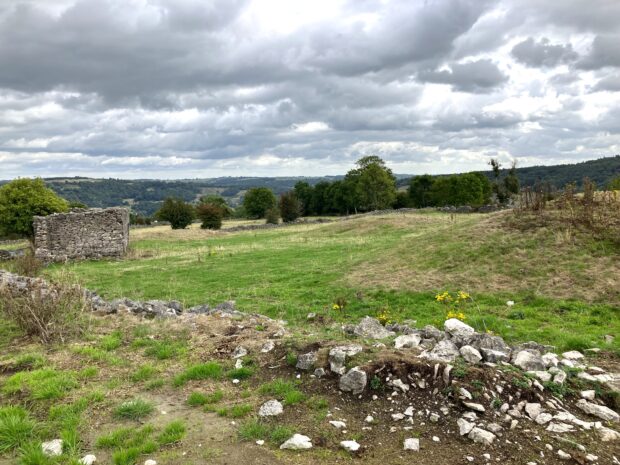
One field had an uneven surface, rocky, sloping and patchy. There were hay meadow flowers such as yellow rattle, orchids, knapweed and meadow vetchling, alongside patches of hawthorn scrub, taller grass with few flowers, and bare ground. The farmer told me the land had been in his family for many years and had always been tricky to farm, but that he loved this place.
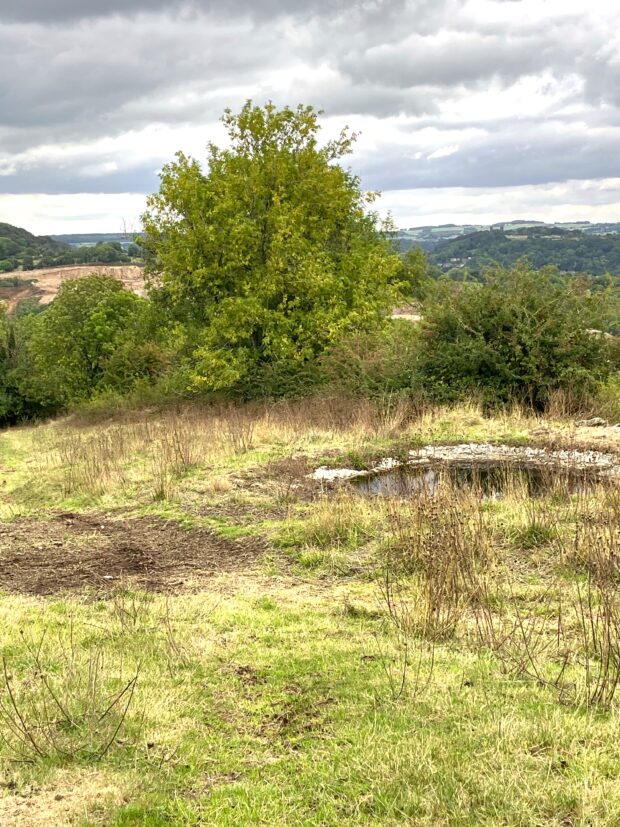
These fields had not always been so green. The hollows and stony bare patches were the remains of many long-abandoned lead mines, and some fields also had medieval ridge and furrow. Only heavy-metal-tolerant lichens and spring sandwort (locally known as leadwort) grew in the stones. The collapsing mines and small fields made using machinery difficult, and the lead in the soil was poisonous to livestock.
Where fields could not be grazed or mown, the bushes had grown, the grasses had become tall, and the vegetation community had changed from what it was when the SSSI was first designated.
My task, and one I loved, was to work with the farmer to balance his needs with those of Natural England. We needed to keep his cattle healthy and the farm viable, while honouring his deep roots in the area. At the same time, I had to consider whether he was meeting the terms of his agri-environment agreement to look after the nature, heritage and landscape, and whether the SSSI was moving towards favourable condition.
I couldn't solve everything in one visit. We needed to do something about the scrub and find a way to take a hay cut. But I learned a lot about the area, and I saw that one management method can never fit every situation, not even every field on the same farm.
A couple of years later, I went back. A contractor had cut and treated the scrub, and had borrowed small hand-propelled machinery to cut as much of the grass as they could. I was able to say that this part of the SSSI was now in recovering condition. Most rewarding of all, the farmer told me that the skylarks he remembered from his childhood were nesting here again after many years, and he was proud of what he had achieved.
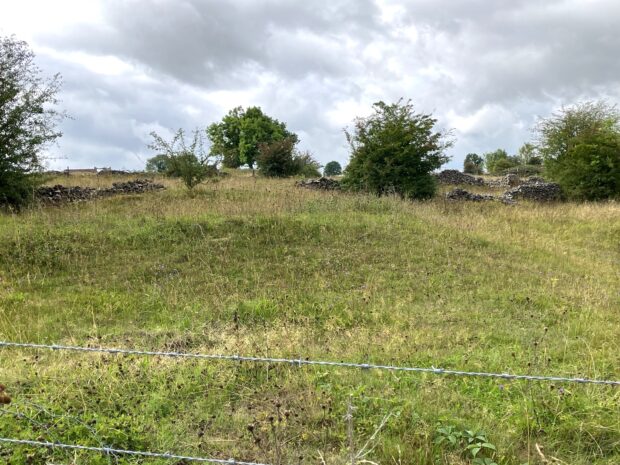
By trying to understand the industrial and family history of the farm, and the need for bespoke decisions for each field, I was able to negotiate a good outcome. Taking an integrated approach to managing the land at Rose End aimed at keeping the character of the landscape and help the farmer stay connected to his land, while making a start on recovering the diversity of its wildlife.
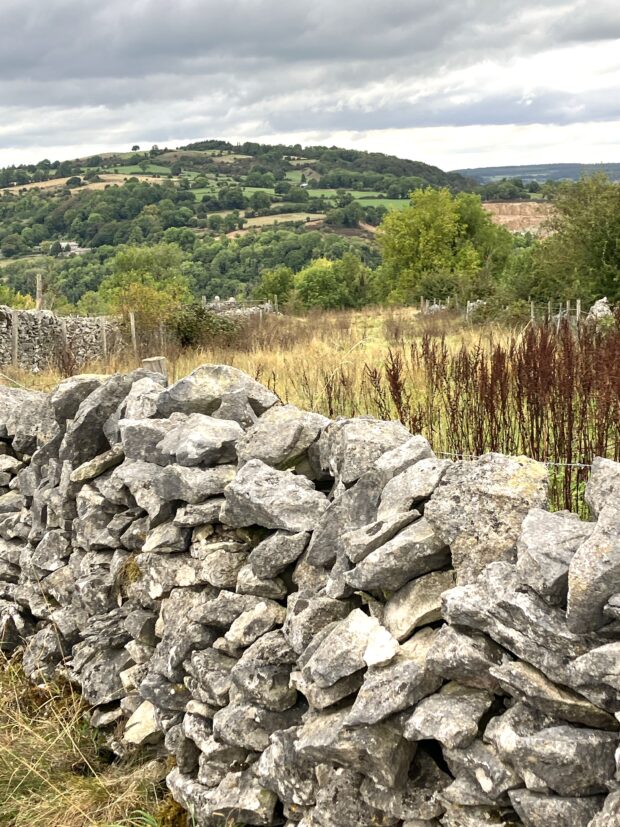
We do not know what choices we will have to make in future as the climate changes and land changes hands. But by using evidence from our deep past, we will be able to see how habitats react to new conditions and make better-informed decisions.
Want to know more? We have a short animation on our YouTube channel about people, rabbits and the origins of grassland:
Leave a comment