Kim Owen and Steph Britton - Climate change, Environmental Improvement Plan, Farming, Food, Land use, Land Use Framework, Peat, Water
Lowland Peat soils are vital to England’s food system, producing roughly 40% of all domestically grown vegetables, yet drainage-based agriculture is causing them to degrade at an alarming rate - releasing carbon, accelerating land subsidence, and driving biodiversity loss. On 26 June 2026, Natural England launched the Paludiculture and Wetter Farming Fund (PWFF), backed by up to £10 million from Defra, to help change that.
This blog explains what the fund is, how it builds on earlier research, and what it offers for farmers, nature and our climate - from growing innovative wet-adapted crops to testing whether conventional food production can work at higher water tables. Whether you're a farmer, researcher, or organisation with an interest in lowland peat, read on to find out how PWFF could work for you, and how to get involved before the application window closes on 21 August 2026.
The Paludiculture and Wetter Farming Fund (PWFF) launched on Friday 26th June 2026. Delivered by Natural England (NE), up to £10 million in research & development funding has been made available by Defra, to encourage more responsible land use on peat soils by removing existing barriers to keeping peat wet, whilst supporting food production and water security and helping reduce the impact of climate change.
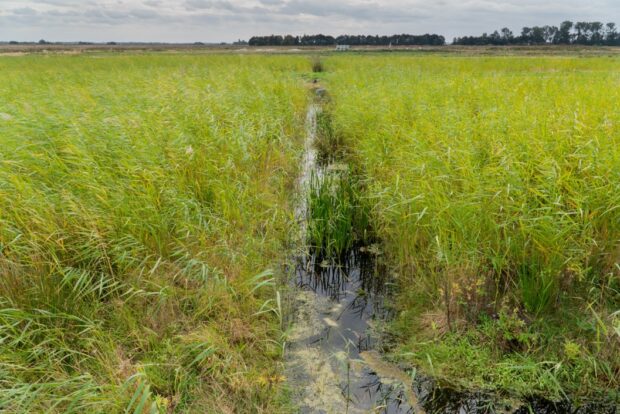
What is Paludiculture and Wetter Farming?
Based on the findings from the Paludiculture Exploration Fund which supported early research and trials, (for example, developing crops into products such as construction materials in the Broads; using Typha seed heads to replace polyester in clothing insulation); PWFF now takes a more focused approach:
- Paludiculture is the growing of crops adapted to wet conditions (with a grant focus on Phragmites (reed), Typha (bulrush), Sphagnum (moss)) to produce a variety of products. For example, horticultural peat replacement, acoustic panels.
- Wetter farming is the practice of growing conventional food crops (typically those cultivated on drained peat (or other soils)) at higher water tables.
PWFF will fund projects to develop markets and test systems at scale across these two priority themes.
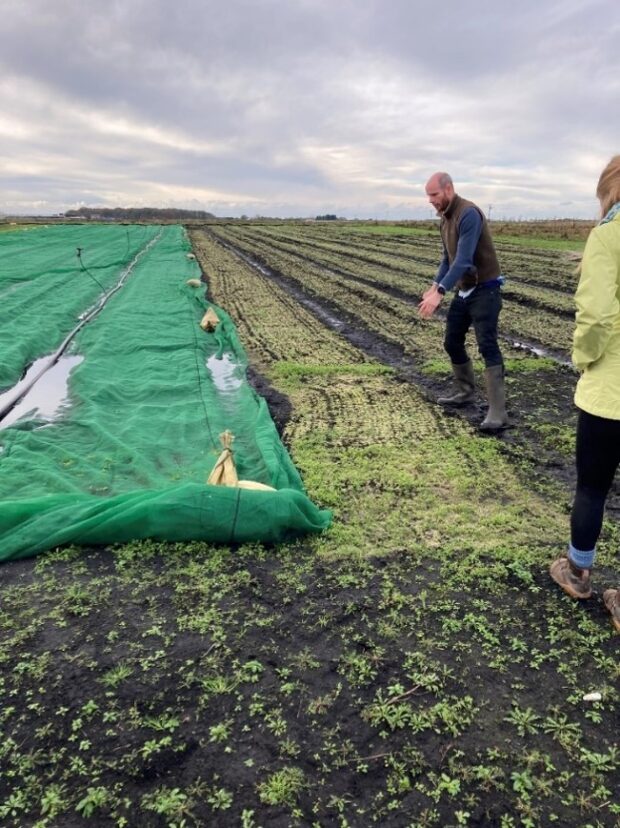
Natural England’s ‘Strategy in Action’
PWFF is a great example of Natural England’s ‘Strategy in Action’. The rewetting of lowland peat for crop production has the potential to sustain livelihoods, support food security, water resilience, nature recovery, net zero (through carbon sequestration/reduction of carbon loss from degraded peat) and manage climate risks such as flooding and drought. As a result, PWFF contributes to stronger, more resilient ecosystems, supporting economic growth, public health and national security.
Contributing to Net Zero
PWFF is part of the government’s approach to achieving Net Zero by moving away from drainage-based agriculture in lowland peatlands in England. When peat is drained, the carbon stored in the peat is released into the atmosphere, primarily as carbon dioxide. A further carbon cost is added when energy is used to pump water from the peat. Peat drainage also accelerates peat soil erosion, land subsidence and biodiversity loss.
PWFF will provide rewetting opportunities, potentially enabling farmers to achieve/maintain high water tables which would slow peat degradation/loss, and could significantly reduce the greenhouse gas emissions associated with drained peat, while contributing to nature recovery.
How can farming on wetted peat help bitterns?
Developing markets for paludiculture products through PWFF will potentially provide a sustainable income stream for protected wetland site management, such as for Bitterns. For example, more lucrative markets could be created for harvested reed, from traditional uses (thatching) to new, innovative uses (insulation board).
It gets better…… the rewetting of peat through PWFF will help support the maintenance of higher water levels elsewhere in the lowland landscape where desired/appropriate, such as for protected wetland sites and peatlands undergoing restoration. Research has also shown that paludiculture sites contained three times more birds than agricultural grassland sites, including several threatened bird species - nature recovery in action.
What’s in it for our farmers?
The rewetting opportunities offered by PWFF, which are so important for reducing carbon emissions and for nature recovery, support sustainable farming systems on peat soils into the long term, particularly by reducing peat loss and land subsidence in under-pressure landscapes.
PWFF projects will focus on developing commercially viable products from paludiculture crops Phragmites (reed),Typha (bulrush)and Sphagnum (moss), mainly through the development of reliable supply chains and product certification, supporting more resilient farming businesses in a changing economy and climate.
We also want to investigate how water can be managed to grow conventional food crops at higher water tables on peat. For example, by developing practical high water table growing systems; adapting machinery and improving access to suitable machinery for planting, harvesting, processing.
PWFF will help strengthen the commercial case for continuing farming on wetter peat soils with less damaging environmental effects.
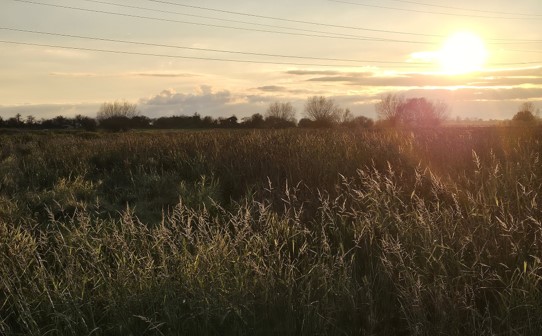
Collaboration is key!
Partnerships are key to the success of PWFF projects. A consortium-building database is available, hosted by Defra’s delivery partner NIAB, for organisations and businesses looking to work together on potential lowland peat water projects, including PWFF (NE can be part of a consortium bid but not lead one). To find out more, you can log your details in this consortium-building database, hosted by www.paludiculture.org.uk.
The partnerships and projects developed through PWFF will help encourage a transition to a more sustainable land use on lowland peat. The vision is to create a mosaic of different land uses and management approaches, where restored peatlands, productive farming and nature rich habitats sit alongside each other. Multiple benefits will be delivered through multiple partnerships – truly NE's ‘Strategy in Action’.
Applications can be submitted via the Defra eCommercial portal, between 26 June 2026 and 21 August 2026.
Want to know more?
You can find out more on the Find a Grant website.
Natural England will host an Application Webinar on 7 July 2026. To register, and for more information on PWFF, please email PWFF@naturalengland.org.uk
Recent Comments