This summer, if you’re looking for fun and accessible days out that are low-cost, then we have you covered. Not only is spending time in nature great for your wellbeing, it can also be great for your bank balance. Here are our suggestions for our favourite affordable days out in the West Midlands!
Summer is here, and the West Midlands is home to some of England's best-kept secrets when it comes to affordable, accessible nature. Whether you're after dramatic upland views, ancient woodland, or a wetland reserve buzzing with wildlife, there's something here for every family, every budget, and every level of mobility.
We've picked out five brilliant places to explore this summer, all either free to enter or costing very little, and all reachable without a car if you plan ahead.
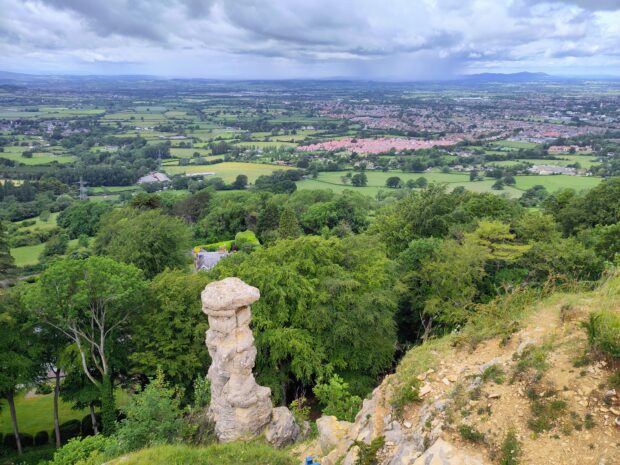
Cheltenham Escarpment National Nature Reserve (NNR), Gloucestershire
Better known locally as Leckhampton Hill and Charlton Kings Common, this is one of England's newest NNRs, designated in June 2026, and home to the legendary 'Devil's Chimney'. This striking limestone pillar is thought to have been left standing by quarry workers. Although local folklore insists it was built by the Devil himself, so he'd have somewhere to sit and throw stones at churchgoers below. Who are we to say? But we do know the site contains the thickest inland sequences of Jurassic limestone and supports nationally important limestone grassland, home to wildflowers and 33 recorded butterfly species including the rare Duke of Burgundy.
The hill has panoramic views over Cheltenham, the Severn Vale and the Welsh hills and is part of the King's Series of National Nature Reserves, created to mark the Coronation of His Majesty King Charles III. Entry is free, and there are paths and tracks that the whole family can explore, including a 3km walk suitable for pushchairs and wheelchair users.
Getting there: There are four car parks on site, at Daisy Bank Road and Hartley Lane. The hill is a short distance from Cheltenham town centre and well served by local buses.
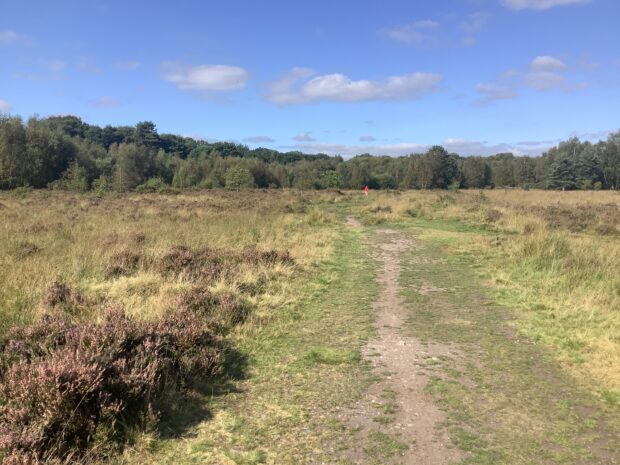
Sutton Park National Nature Reserve (NNR), Birmingham
One of the largest urban parks in Europe, Sutton Park is a 2,100-acre National Nature Reserve just six miles from Birmingham city centre, and it's completely free to visit. Inside you'll find heathland, woodland, seven lakes, and even grazing cattle and wild ponies. There's a 5-kilometre walking route and two playgrounds, making it ideal for younger children. The visitor centre has toilets, baby changing facilities and maps to help you find your way.
The park forms part of Purple Horizons, a Natural England-led nature recovery project working to connect Sutton Park with Cannock Chase, creating a wildlife corridor across the West Midlands urban fringe.
Getting there: The Town Gate entrance is a seven-minute walk from Sutton Coldfield train station, which is accessible via a twenty-minute train from Birmingham New Street. Buses 6, 935, 937, X3 and X5 also stop nearby.
Hall Green Naturehood Trail, Birmingham (National Trust and Go Jauntly)
For an option even closer to Birmingham city centre, try the Hall Green Naturehood Trail, a free 4.7km circular walk created by the National Trust in partnership with the Go Jauntly app. The route links green and blue spaces across Hall Green, starting at the historic Sarehole Mill, one of Birmingham's last two working watermills.
Along the way you'll pass the River Cole, wildflower meadows, and Trittiford Mill Pool, home to swans, ducks and dragonflies. The trail includes fun prompts for families, from birdwatching tips to "cloud-spotting." Download the free app for step-by-step directions or print the PDF guide in advance.
Getting there: The walk starts at Sarehole Mill, with a bus stop directly outside served by routes 5 and 11C Outer Circle.
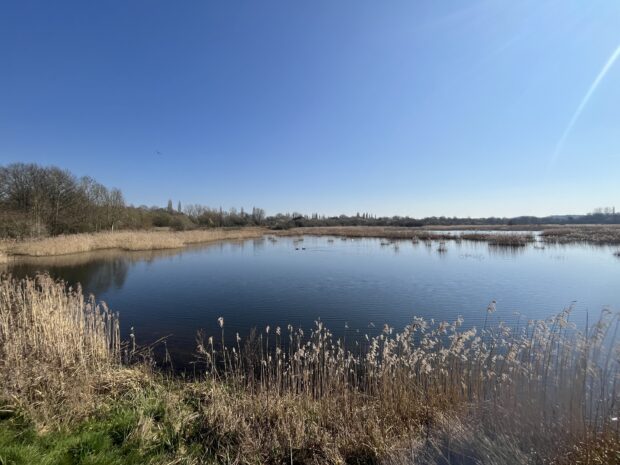
Brandon Marsh Nature Reserve, Coventry (Warwickshire Wildlife Trust)
Brandon Marsh is a Warwickshire Wildlife Trust reserve known for its pools, reedbeds and woodland, and home to kingfishers, otters and muntjac deer.
Two surfaced trails, the Kingfisher Trail and the Woodpecker Trail, make this a great choice for buggies, wheelchairs and mobility scooters, and the reserve even offers free mobility scooter loans if you call ahead. Nine bird hides give you the chance to get up close to the wildlife, and the visitor centre has a café, shop and picnic area to round off your visit.
Entry costs £4.75 for adults, with concessions and family tickets available, and it's free for Wildlife Trust members.
Getting there: Brandon Marsh is on Brandon Lane, Coventry, with an on-site car park. Bike parking is also available.
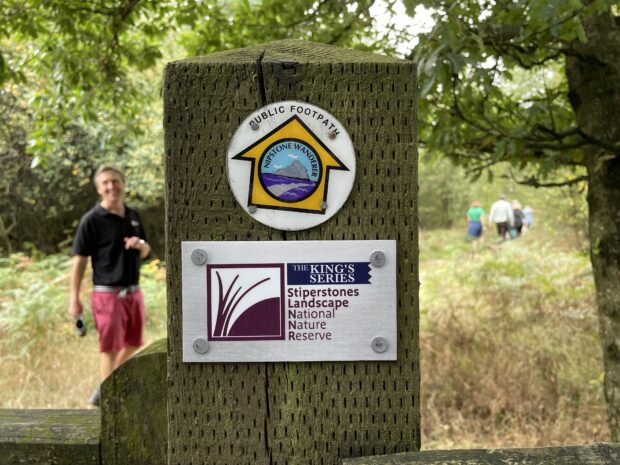
Stiperstones Landscape National Nature Reserve (NNR), Shropshire
Stiperstones covers 1,562 hectares of dramatic upland heath, ancient woodland and rare geology along the Shropshire Hills. It's part of the King's Series and is managed by a partnership including Natural England, Forestry England, Shropshire Wildlife Trust and local community groups.
Entry is free. Start at the NNR car park, where you'll find a 650-metre all-ability trail alongside longer walking routes if you fancy tackling the full ridge. Keep an eye out for the legendary Devil's Chair, a rock formation shattered by ice-age freezing that has inspired ghost stories for centuries, and look out for red grouse, emperor moths and the increasingly rare bilberry bumblebee along the way.
If you'd rather leave the car at home, the Shropshire Hills Shuttle Bus runs every weekend from May to September, taking in the Long Mynd, Carding Mill Valley and Stiperstones itself, with adult tickets from £2 and free travel for under-16s. It's a brilliant, low-cost way to see some of Shropshire's best scenery without worrying about parking.
Getting there: The reserve is 3km east of the A488, with car parking available at the main NNR car park, the Bog, and Snailbeach. Alternatively, catch the Shropshire Hills Shuttle Bus from Church Stretton.
A couple more favourites
Chapter Meadows Nature Reserve in Worcester sits alongside the River Severn, just a mile from Worcester Foregate Street train station. Painswick Beacon in Gloucestershire is the site of an Iron Age hillfort, standing 283 metres high with some of the best 360-degree views in the Cotswolds. Painswick Beacon is on a bus route, and you can download the Gloucestershire Walks app for a map to guide you.
Or for some options even closer to home Local Nature Reserves are places valued for their wildlife or geology, designated by local councils for people to enjoy and learn from. Find your nearest one: Local Nature Reserves (England) | Natural England Open Data Geoportal
With the recent dry, hot weather, wildfire risk is high across the countryside. Please pack a picnic instead of a barbecue, take your rubbish home with you, and if you spot an unattended fire, get to a safe place and call 999.
Remember to always follow the Countryside Code when you’re out and about in nature!
The Countryside Code is a simple guide to helping everyone enjoy the outdoors responsibly while protecting the natural environment. It encourages visitors to respect other people, protect plants, animals and habitats, and leave gates, paths and property as they find them. By following the Countryside Code, we can all play our part in keeping nature accessible, safe and enjoyable for everyone, while helping to conserve the landscapes and wildlife that make our countryside so special.
Recent Comments