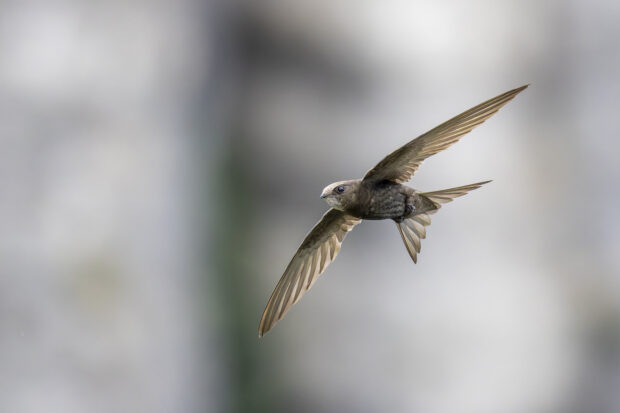
By Chloe Hardman, Senior Project Manager, West Midlands Area Team In this blog, Chloe Hardman discusses swifts, and the amazing work being done to protect them within communities in the Midlands. When was the last time an animal made you …
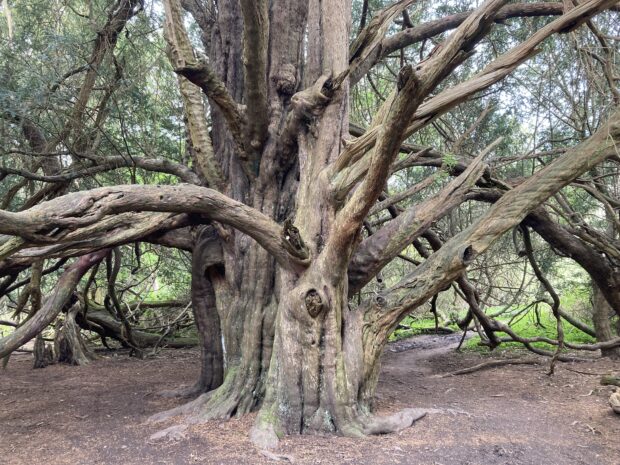
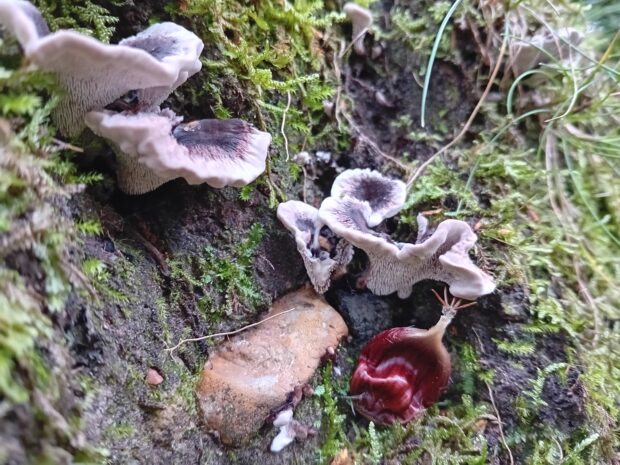
By Liz Frost, frequent visitor and fungi specialist, with Rachel Guy, Kingley Vale NNR Reserve Manager In mid-December 2025, amateur fungi enthusiast Liz Frost made an extraordinary discovery at Kingley Vale National Nature Reserve in West Sussex — spotting a …
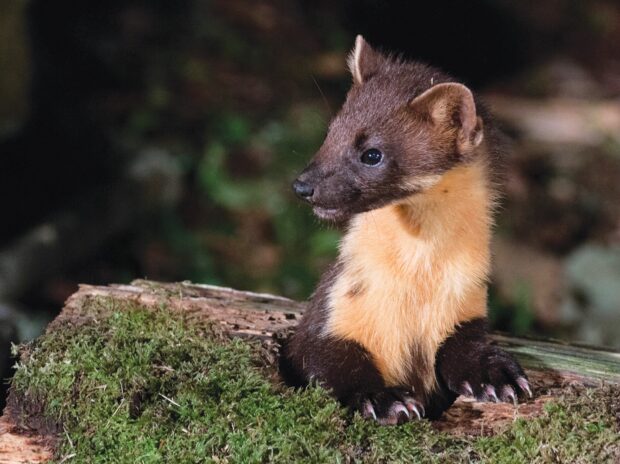
How do we know when a species is truly thriving, rather than just surviving? This is the question Natural England has been working to answer. We've now published new definitions that set out exactly what success looks like for four …
From international pledges to pioneering reintroduction projects, it’s been an exciting year for England’s fungi. Natural England Mycologist, Matt Wainhouse, reflects on remarkable year for fungal conservation. Fungi on the global agenda Fungi have often missed out in the global …
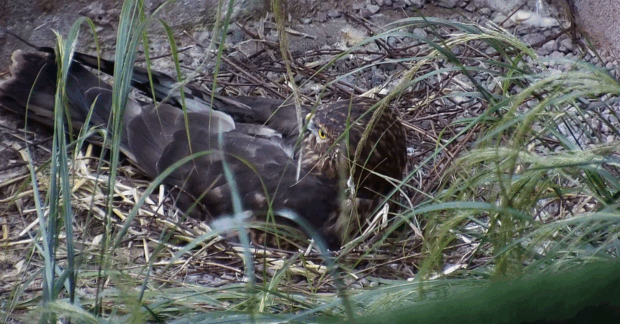
By Sofía Muñoz, Senior Officer, Hen Harrier Southern Reintroduction Background The Hen Harrier Southern Reintroduction Project was set up in 2018 with the aim of establishing a wild, farmland-nesting population of hen harriers (Circus cyaneus) in southern England. The hen …
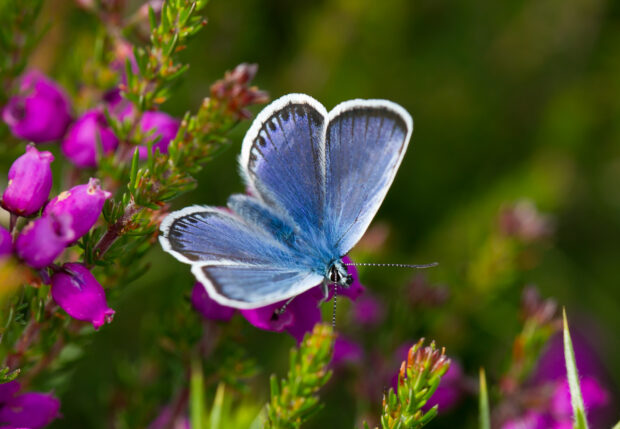
By Susanna Phillips, Principal Officer – Chief Scientist Directorate, Natural England Research published recently in the Journal of Applied Ecology highlighted the positive impact that agri-environment schemes can have on butterflies. Agri-environment schemes are a key environmental policy mechanism in …
By Tim Wilkins, Principal Specialist in Species Recovery When a legally-binding target to reduce species extinction risk in England was set by government in 2023: The Environmental Targets (Biodiversity) (England) Regulations 2023, this question – How to save a 1000 …
By James Phillips - Principal Officer – Species Recovery and Species Re-introductions and Karen Shelley-Jones - Senior Officer – Funding and Grant Scheme Management England’s species charm, intrigue, amaze and inspire us, sparking interest and concern in the natural world. …
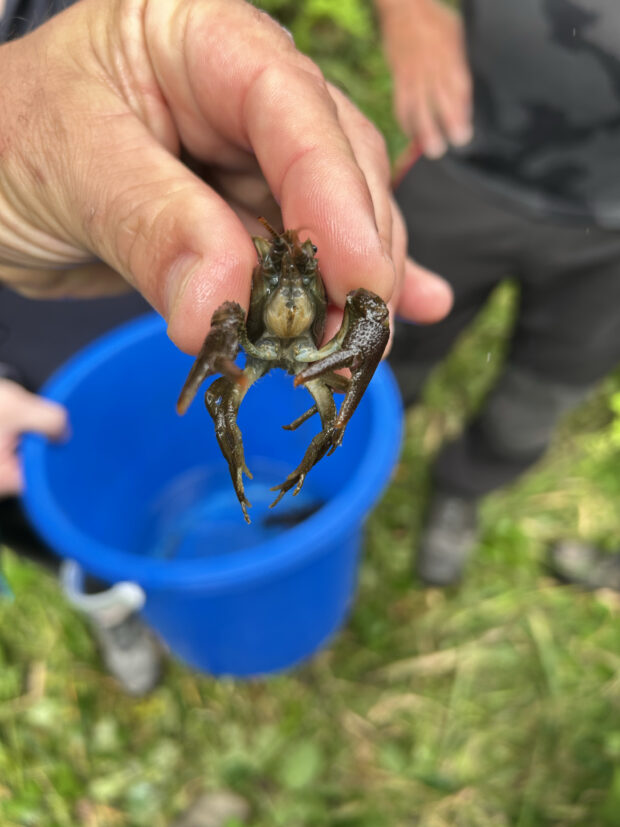
By Danielle Greaves, Higher Officer - Species Reintroduction and Recovery, Natural England Hidden beneath the surface of Nottinghamshire's rivers and streams lives an increasingly rare species – the white-clawed crayfish. As the UK's only native freshwater crayfish, these creatures play …
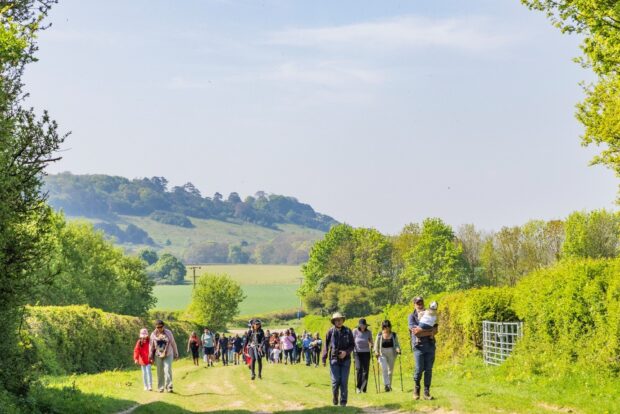
By Mick Venters, Senior Reserve Manager at Aston Rowant NNR, Natural England. Aston Rowant National Nature Reserve (NNR) is a hidden gem in the Chiltern Hills, and I am fortunate to have spent over twenty years as the Reserve Manager …
Related content and links
Stories and updates from Natural England
We’re the government’s adviser for the natural environment, helping to protect England’s nature and landscapes for people to enjoy.
Recent Comments