By Marian Spain, Chief Executive, Natural England
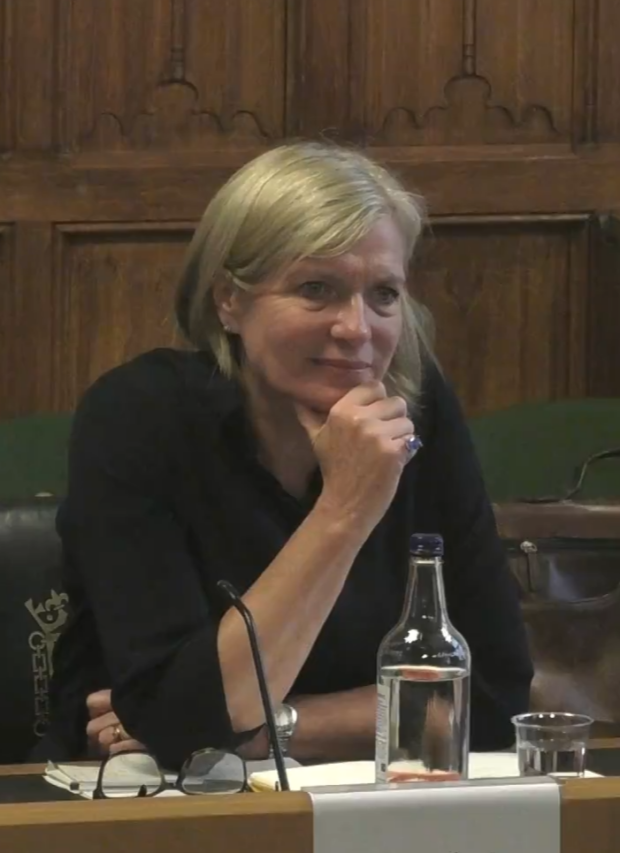
As she nears the end of her career at Natural England, Chief Executive Marian Spain reflects on 40 years working with Areas of Outstanding Natural Beauty, from their early days as planning tools to their evolution into today's thriving National Landscapes. She traces the milestones that shaped this journey, and marks the moment with the submission of formal orders to extend the Surrey Hills AONB and create a new National Landscape in the Yorkshire Wolds.
40 years ago, when I started my nature conservation career working across the east and south of England, National Parks weren't really part of my world so the Areas of Outstanding Natural Beauty, or AONBs, became my natural allies.
Historically, AONBs were almost entirely about planning. Their job was to stop development happening in the wrong places, but there was very little positive, active management of the countryside and they were often seen as the poorer relation to National Parks. Less funding, less action, less influence.
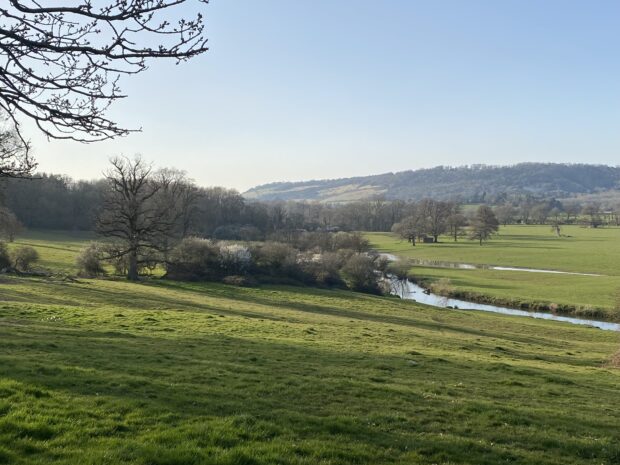
I am very proud therefore that I at one point held a job called "Head of Finest Countryside" (even though plenty of people pointed out, quite fairly, that this was also the name of a supermarket's premium food range!). But behind the slightly awkward title was a serious responsibility: improving the management of every AONB and National Park in the country. That was the moment when we started to see local authorities begin to invest in teams to look after AONBs, and to see them not just as places to protect from harm, but as places for nature to recover and for people to enjoy.
That shift fed into the Countryside and Rights of Way Act 2000, which gave AONBs statutory management plans for the first time, and created the ability to establish Conservation Boards. It was a small but important change in the law that gave these nationally significant landscapes a firmer footing.
I also worked on the designations of the New Forest and South Downs as National Parks. Those projects sparked long debates about whether other AONBs needed to be "upgraded" to fulfil their potential too. Whatever the answer, the conversation itself pushed everyone to try harder.
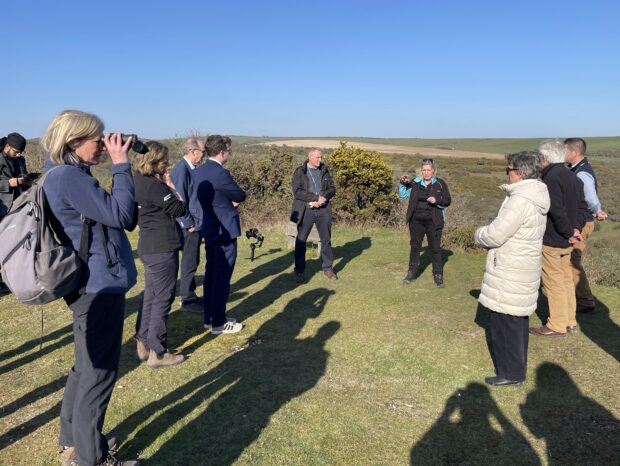
It was always clear to me that AONBs were never second best. The legislation is unambiguous: it sets exactly the same standard of natural beauty for an AONB as for a National Park. The bodies that look after AONBs were not bound by formal planning and other duties and governance as National Park Authorities are, nor did they have the same resources, so they could (and often had to be) entrepreneurial and innovative and build partnerships that reached wide and far. Necessity became a strength.
Then came the Landscapes Review chaired by Julian Glover, which asked hard questions about whether our system of protected landscapes was fit for the 21st century. Natural England contributed evidence throughout, and its recommendations have shaped much of what has followed.
Today, we have AONBs rebranded as National Landscapes, and a National Landscapes Association that champions them and pushes all of them towards the highest standards. We have the Protected Landscapes Partnership that brings National Trails, National Landscapes and National Parks together as one family. That means they work collectively on projects that transcend their boundaries, such as the “Big Chalk” project and Coastal Wildbelt.
That new vigour and ambition and collective effort is also being recognised through new designations: National Landscapes, as they have evolved to be, are as relevant today as they were the concept was first established in law in 1949.
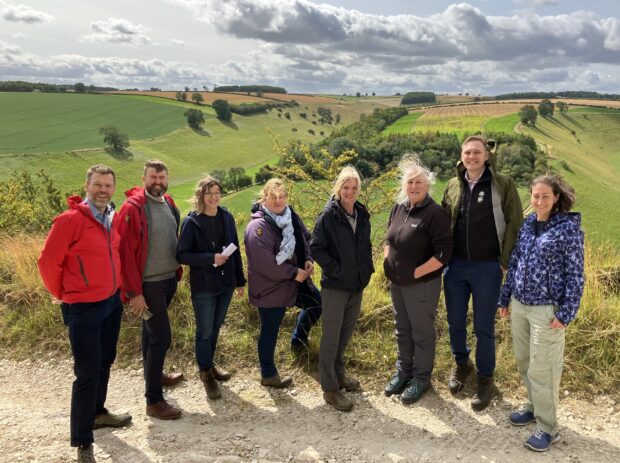
When I joined Natural England in 2018, one of my first jobs was to sign the Order designating an extension to the Suffolk Coast and Heaths AONB. It feels fitting that, as I approach the end of my role as CEO here and the last stage of my 40-year career in nature, that I have last week with the NE Chair signed the Orders that contribute towards the potential creation/extension of two more National Landscapes. Today (7 September 2026) marks the submission of the formal orders to the Secretary of State seeking to extend Surrey Hills AONB and seeking a brand new AONB in the Yorkshire Wolds.
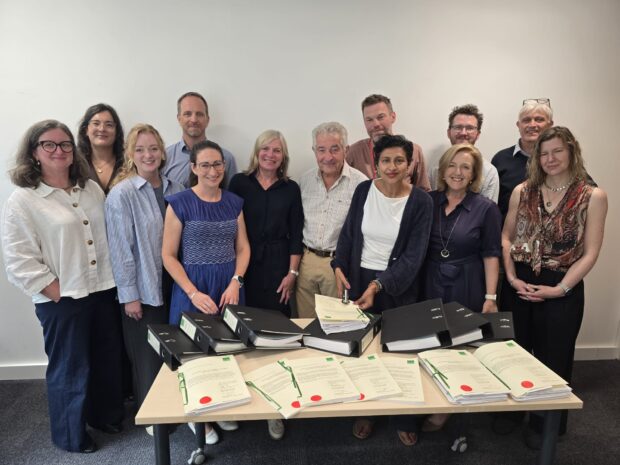
Whilst those landscapes are not designated unless or until the SoS confirms the decision, today, the whole family of National Landscapes are delivering on the ground in ways that would have seemed unimaginable when I started out.
Take Heathland Connections in the Surrey Hills, restoring and reconnecting fragmented heathland habitats so that wildlife can move and thrive across a landscape rather than being confined to isolated pockets. Or the Farming in Protected Landscapes scheme, which has given farmers right across our National Landscapes practical support and funding to farm sustainably, proving that food production and nature recovery can go hand in hand.
And then there's the simple, profound fact that millions of people visit these landscapes - including the Yorkshire Wolds which is home to the Yorkshire Wolds National Trail - every year for their health and wellbeing, finding space to breathe, to walk, to think. National Landscapes are places that are valued and protected not just for their beauty but are managed and promoted for everything they give us.
A landscape's work is never finished
Whatever comes next for our landscapes, I know they are in good hands. The people who care for them, who campaign for them, and who simply walk through them and are quietly changed by what they see, will make sure of that. It has been the privilege of my working life to stand alongside them.
Further information on the Yorkshire Wolds project is available at Yorkshire Wolds Designation Project
Further information on the Surrey Hills project is available at Surrey Hills National Landscape (AONB) Variation Project Second Consultation - Defra - Citizen Space
Recent Comments