By Marian Spain, CEO of Natural England
In this blog, our Chief Executive Marian Spain reflects on her recent attendance at the UK Real Estate Investment and Infrastructure Forum and discusses the major role that nature plays in growth and development.
Last week I had the pleasure of speaking at UKREiiF — the UK Real Estate Investment and Infrastructure Forum — one of the largest gatherings of its kind in the country, bringing together more than 16,000 delegates from across the public and private sectors. Investors, developers, local authorities, and government bodies, united by a shared ambition to shape the built environment of the future.
Natural England was proud to have a strong presence at the conference this year, alongside partners such as Nature North, and government departments and Arm's Length Bodies.
Nature can no longer be a footnote in discussions about development and growth. This year, from flood risk, climate resilience to health impacts, it was woven through the fabric of the event — the vital foundation upon which economic prosperity depends. Speaking on a Panel discussion about ‘Keeping the UK at the Forefront of Nature-Friendly Development’, alongside RSPB, West Yorkshire Combined Authority, and National Highways, we discussed the strategic approaches to development that can help us to deliver both economies of scale for developers and nature led development.
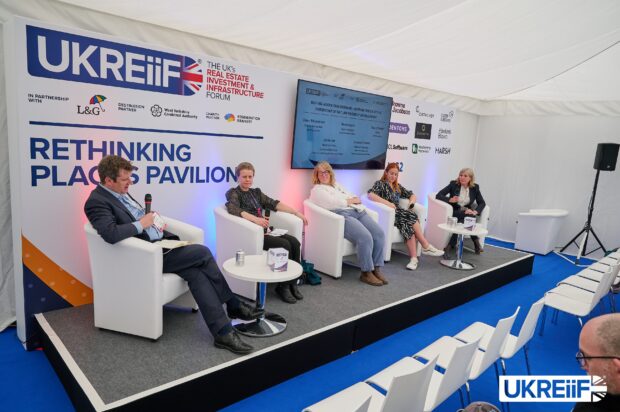
Nature is essential infrastructure
For too long, nature and economic growth have been cast as opposing forces — a trade-off to be managed rather than an opportunity to be seized. That narrative is changing, and UKREiiF reflected that shift.
Healthy ecosystems are not a luxury. They underpin our food and water supplies, manage the climate impacts that threaten our communities — flooding, extreme heat, drought — and deliver the wellbeing and health outcomes that make places worth living in. Nature is essential national infrastructure, as fundamental to our future as transport, energy, and digital connectivity. We heard time and again how much people enjoy living in nature rich spaces, and how that can be turned to a competitive advantage.
The question is no longer whether we can afford to invest in nature. The question is whether we can afford not to.
Planning system that works for everyone
The current planning and regulatory system is not working effectively — neither for development nor for nature. The impacts of development on nature — water pollution, air pollution, habitat fragmentation, recreational disturbance are difficult to address site by site. But there is a real win-win available to us if we think at scale.
The Planning and Infrastructure Act represents a real opportunity to move in the right direction. The Nature Restoration Fund and Environmental Delivery Plans (EDPs) will enable us to move away from site-by-site mitigation towards landscape-scale nature restoration — targeting resources to the issues, locations and methods that deliver the greatest environmental benefit.
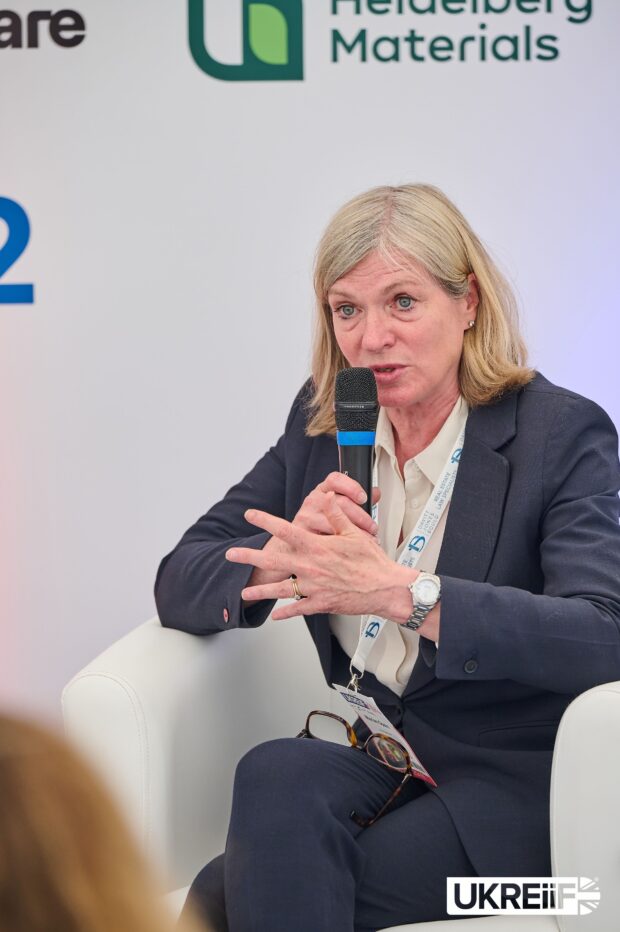
The opportunity ahead
Local leaders and Combined Authorities played a key role throughout the conference with bold ambition to drive investment into their regions. Nature can support these growth ambitions and create healthier, more resilient and investable places.
Spatial Development Strategies were a continued theme across the conference, which present a new opportunity to embed nature recovery and climate resilience into strategic planning from the very beginning. If we fully integrate Local Nature Recovery Strategies and Green Infrastructure Standards into every SDS, we can create a planning system that drives nature recovery alongside housing delivery and economic growth. Nature and green spaces can also be incorporated into master plans for major developments such as New Towns, making it clear to developers what will be expected, and to the those who will live there what they will gain.
The government's ambition to build 1.5 million new homes this Parliament is bold and right. Natural England is committed to helping deliver it — not as a barrier to be navigated, but as an active partner in making it happen. We –planners, developers and regulators and consultees like Natural England - need to work together and be innovative and bold to make it easier, cheaper and quicker to make planning decisions, by focusing on the outcome we all want: nature rich communities that are good places to live and work. This includes trusting each other to do the best for growth and nature.
A genuine win-win
Leaving UKREiiF last week, I felt optimistic. Across the conference, conversations we had were characterised by a shared recognition: that nature-positive development is not a concession to environmental concern. It is a smarter, stronger, more resilient way to build.
Nature is the backbone of healthy, prosperous, beautiful places. It delivers clean air and water, climate resilience, improved health and wellbeing — and increasingly, a competitive advantage for those willing to embrace it.
Natural England's role is to be the partner that helps unlock that potential.
Recent Comments