By Dougal McNeill, Principal Officer, Agri-Environment Delivery, Natural England
This blog explains and breaks down the role of Defra, RPA and NE in the Countryside Stewardship Higher Tier process, while also discussing some of the benefits and challenges of the scheme.
Farming is challenging and in uncertain times the challenges become more acute and the appetite for risk diminishes. The challenges posed by drought have been especially acute this summer with government announcing drought support for farmers earlier in August. Anyone who works with farmers and land managers knows that the decisions you face - about your land, your business, your livelihoods - are rarely straightforward. So, when a scheme like Countryside Stewardship Higher Tier (CSHT) comes along, I understand why the first reaction might be: is this worth the effort?
I want to explain what Natural England is doing to make sure the answer is yes, if it’s right for your business. As well as explain our roles.
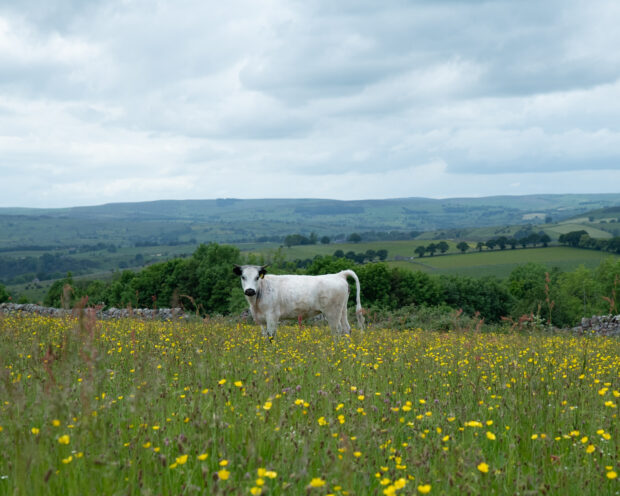
CSHT is a team effort
Defra sets the policy direction and priorities for the scheme - how it fits alongside other options like the Sustainable Farming Incentive and Landscape Recovery. Defra's ambition is clear: CSHT should drive high-impact environmental outcomes, targeting the land and habitats where it can make the biggest difference.
The RPA administers the scheme - managing applications, processing agreements and handling payments. They are also working to improve the application service over time making the process clearer and more straightforward.
Natural England's role is the specialist advisory one - our advisers work directly with farmers and land managers to assess what is possible on your land, help shape agreements that are genuinely right for your farm, and provide the expert, site-specific guidance that neither a policy document nor an online portal can replace. We also work alongside the Forestry Commission, Environment Agency and Historic England, where woodland, water and heritage are part of the picture.
The joined-up approach is what makes the scheme function, and we are committed to improving it further.
What CSHT is - and what it isn't
CSHT is not a one-size-fits-all scheme. It is designed for farmers and land managers who want to do something ambitious for nature on their land - whether that is restoring peatland, managing ancient grassland, supporting wading birds, or improving water quality along a river. It rewards you for the real environmental value your land can deliver, not simply for owning it.
It sits alongside simpler options like the Sustainable Farming Incentive, and it is not right for everyone. That is precisely why the advice we offer matters so much. We are not here to sign you up to something that does not fit your farm or your goals. We are here to help you work out whether CSHT is right for you -and if it is, to support you through every step.
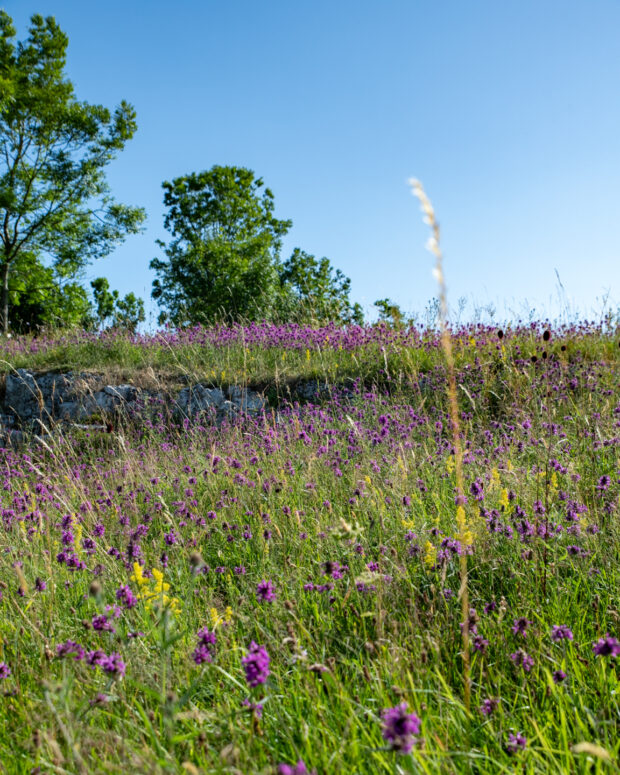
The difference good advice makes
Since the scheme opened for applications in September 2025, our advisers have engaged with over 850 potential agreement holders across England. More than 600 have received personalised pre-application advice, and 430 agreements are now live and delivering for nature.
What makes me proud is not just the numbers. It is the feedback we hear from farmers about what that advice actually meant to them.
One farmer told us:
"The most helpful information was a timeline provided by a Natural England adviser which explained the process of the pre-application advice and specific details on what was required at each stage. It gave specific information rather than a generalised overview, which doesn't help."
That says everything. Farmers need clarity and practical guidance — not general information that leaves them none the wiser. That is what our advisers work hard to provide.
One farmer described the adviser relationship simply:
"Her enthusiasm for improving nature on the farm really energised us to do more, and we are pleased and proud to be in the first round of the new CSHT."
While another customer explained what the adviser partnership meant to them:
"Without Natural England's help we couldn't have done all this for nature, and it has been beneficial for the health of our farm as well."
These are not exceptional cases. They reflect what happens when farmers and advisers work together, honestly and practically, towards a shared goal.
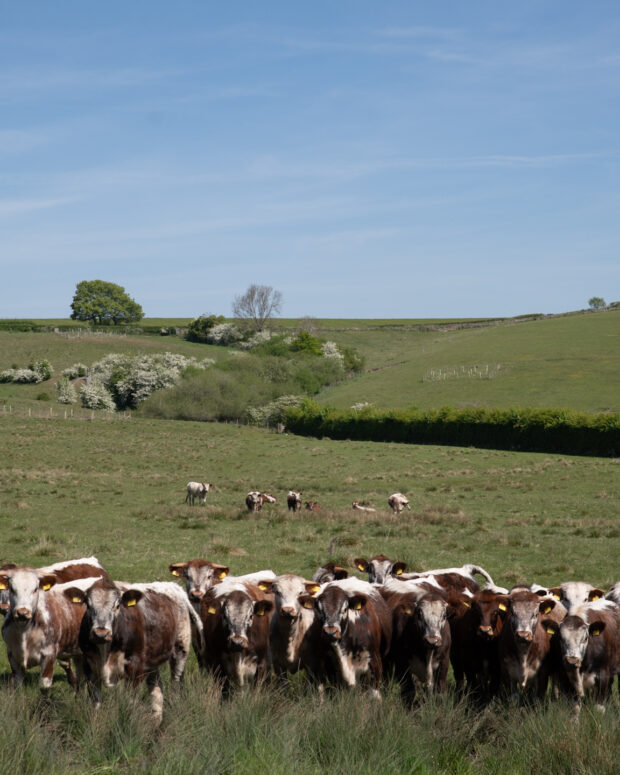
Being straight about the challenges
I would not be doing my job if I pretended everything is straightforward. Demand for CSHT is growing, and our resources are under real pressure. A significant wave of expiring agreements is approaching and managing that alongside new applications will require careful prioritisation across Natural England, RPA and Defra collectively.
We are also working to find smarter ways to reach more farmers without reducing the quality of advice. New approaches — like simpler single-action agreements for species-rich grassland and working with partners to help prepare pre-application advice that Natural England then reviews — are part of how we plan to extend our reach. These are practical solutions, not shortcuts. The quality of the advice remains non-negotiable.
Looking ahead together
We have already identified more than 800 farmers and land managers to receive pre-application advice in the coming months, and we are working centrally to coordinate larger organisations so they can apply more efficiently too.
Defra, RPA and Natural England are aligned on what needs to happen next. The scheme is improving, the relationships are strong, and the momentum is real.
But what matters most is the relationship with you. Our advisers are committed to working alongside you, to help you make the right decisions for your land and your business.
We are here to help with advice - not to add to your challenges, but to make it as straightforward as it can be.
See Defra Farming Blog and GOV.UK for more details:
- See Defra Farming Blog and how you can express your interest in Countryside Stewardship Higher Tier
- CSHT Guidance
Recent Comments