If you’re looking for fun and accessible days out that are low-cost, then we have you covered. Not only is spending time in nature great for your wellbeing, it can also be great for your bank balance. Here are our suggestions for our favourite affordable days out in the Southwest!
The Southwest is packed with incredible places to explore, many of them completely free. Whether you're looking for riverside strolls, family-friendly wildlife watching, rockpool adventures, rocky scrambles or spectacular wildflower meadows, there's plenty to discover.
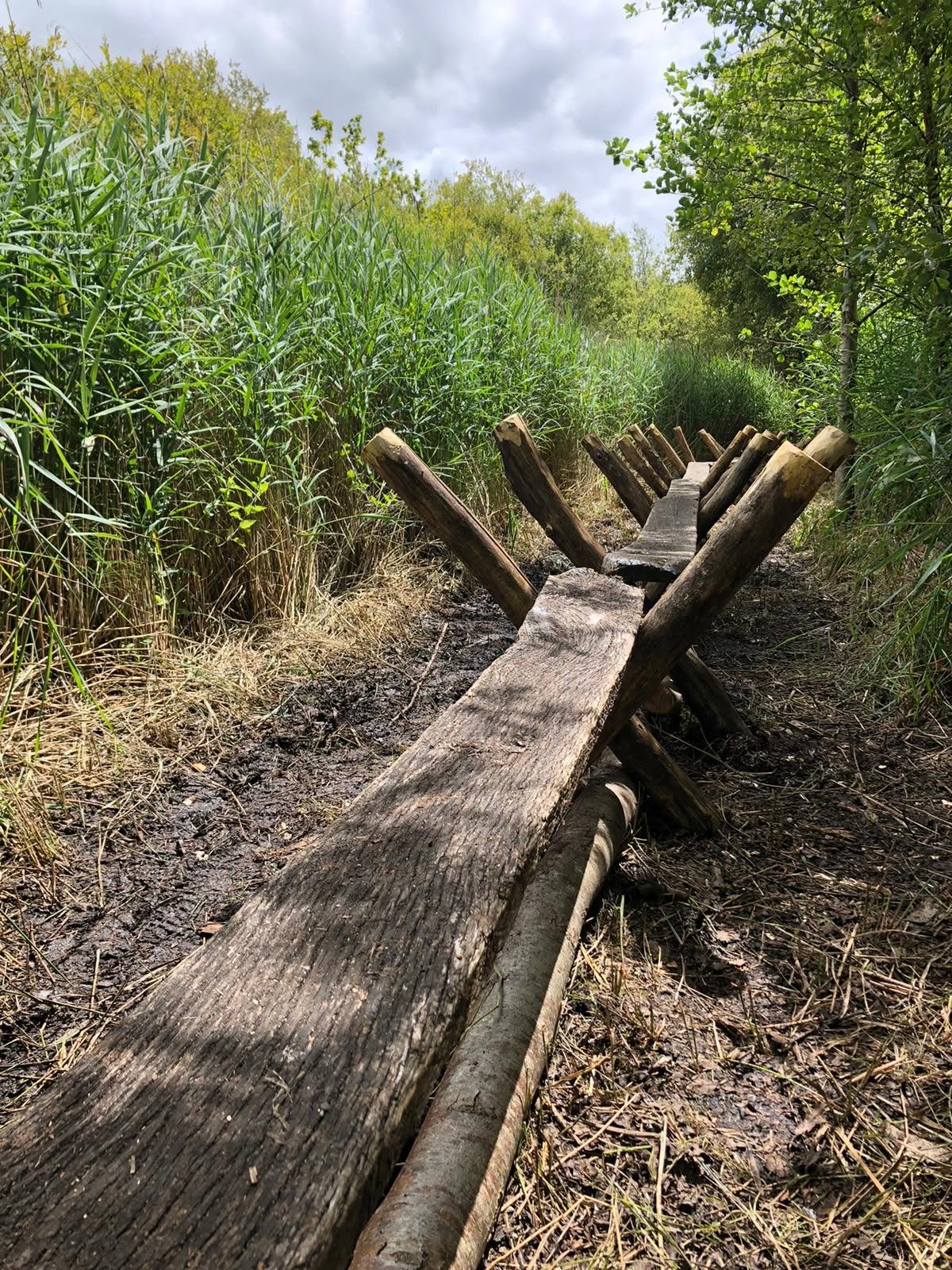
For wildlife, history and hands-on exploration: The Avalon Marshes Centre and Somerset Wetlands National Nature Reserve
The Avalon Marshes Centre is the perfect hub for a family day out. Enjoy a picnic near the wildlife pond and make use of the amenities – including a visitor information point, café and accessible toilets – as well as visiting the on-site museum and craft gallery. Throughout the summer, they host family friendly events that connect people with the wildlife and history of the site. From there, it’s a short walk to Shapwick Heath National Nature Reserve, a gateway to the Somerset Wetlands here you can follow pushchair-friendly paths or ancient tracks. Lucky visitors might catch a glimpse of the resident beavers or sparkling kingfishers and dragonflies.
Getting there: The 668 weekday bus service connects the Avalon Marshes Centre with nearby towns and villages. It is also linked to Glastonbury, Street and Wedmore by quiet lanes and cycle paths. The centre is around 10 minutes by car from Glastonbury and has free parking on site with donations encouraged.
For a classic day out by the sea: Weymouth Beach, Dorset
For a proper day at the seaside, this award-winning stretch of golden sand is perfect for building sandcastles and paddling in the gentle waves. A stroll along the sweeping seafront connects you to the King Charles III England Coast Path where adventurous visitors can extend their day with a walk. Head east from Weymouth for a challenging cliff-top climb and panoramic sea views, or head west for an easier walk towards the unique landscape of Chesil Beach and Fleet Lagoon, a rare habitat and the largest saltwater lagoon in the UK.
Getting there: Weymouth station is just a short hop from the beach. Weymouth is also well connected to nearby towns by bus and there are plenty of car parks, including a park and ride service.
For accessible trails across diverse wildlife habitats: Goss and Tregoss Moors, part of the Mid Cornwall Moors NNR
Goss Moor features heathland, wetlands, pools and scrub habitats. A largely level seven-mile multi-use trail provides easy access for walkers, cyclists and families, with Tramper, equestrian, and cycle accessible gates.
Home to some of the country’s rarest species such as lesser butterfly orchid, yellow centaury, marsh clubmoss and Cornish moneywort. The 29 species of butterfly and 18 species of dragonfly and damselfly include the nationally scarce small red damselfly. Dormice reside in grassy open areas and the reserve is a stronghold for Britain’s fastest declining resident bird, the willow tit. The moor is surrounded by medieval farms and the characteristic remains of tin-streaming and gravel extraction.
Getting there: The nearest train stations to Goss Moor are in St Columb Road and Roche. Bus services run close to the reserve from St Austell to Newquay and from St Columb Major to Bodmin. See the Tradeline SW website for details.
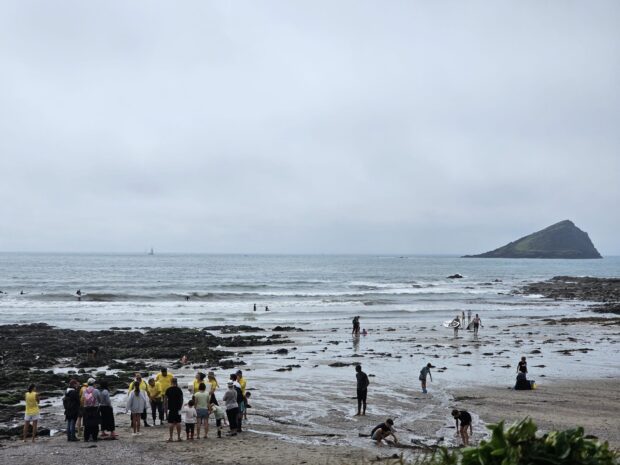
For coastal adventures: Wembury and the King Charles III England Coast Path, Devon
Few places combine coastal scenery and wildlife quite as well as Wembury. Managed by the National Trust and part of a voluntary Marine Conservation Area, Wembury Beach is widely regarded as one of the best places in the UK for rockpooling.
At low tide, families can discover an extraordinary variety of marine life, including sea anemones, crabs, starfish and small fish hidden among the rocks. The Devon Wildlife Trust’s Wembury Marine Centre helps visitors learn more about the area's rich marine environment through displays, events and guided rockpool safaris (free or for a small charge).
Beyond the beach, the South West Coast path, which has been improved and is now part of the King Charles III England Coast Path. Here you will find spectacular walks, such as the popular Wembury to Heybrook Bay Walk with views across Plymouth Sound and out to the iconic Great Mewstone island.
Getting there: The No.48 bus runs from Plymouth city centre. The Yealm ferry (for foot passengers and bikes) runs between Noss Mayo, Newton Ferrers and Wembury between 1st April and 30th Sept. By car follow the A379 through Elburton, then signs to Wembury Beach. The car park can fill quickly so arriving early is recommended.
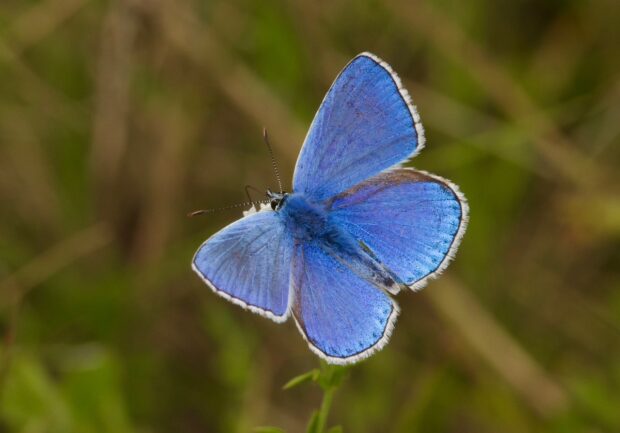
For wildflowers and butterflies: Pewsey Downs National Nature Reserve, Wiltshire
The steep sunny slopes of Pewsey Downs are the perfect place to spot butterflies dancing among colourful wildflowers this summer. Keep your eyes peeled for the electric Adonis Blue fluttering past and keen noses might catch the rich scent of wild thyme and marjoram drifting on the breeze. With spectacular views stretching across to Salisbury Plain, you can also get up close to the Alton Barnes White Horse, one of the eight famous white horses still visible in Wiltshire today. These hills are not for the faint-hearted, however, so a visit here may suit families with older children more than little ones in buggies.
Getting there: Pewsey Downs has a free car park near Alton Barnes village (Postcode SN8 4LU) and buses from Pewsey train station run to Alton Barnes, about one mile south of the reserve.

For rocky scrambles and epic views: Ebbor Gorge, Mendip Hills
Not far from its famous cousin, Cheddar Gorge, is the lesser known but equally impressive Ebbor Gorge. Paths wind their way through the dramatic limestone cliffs while small streams and rocky climbs make for exciting scrambling. Make it to the top and you will be rewarded with stunning views across the landscape. See if you can spot the willow bear sculpture lurking in the woods, representing the beasts that once roamed these lands, and the many fossils that have been found in the local caves.
Getting there: There is a free car park at the gorge, which is locked at dusk (Postcode BA5 1AY).
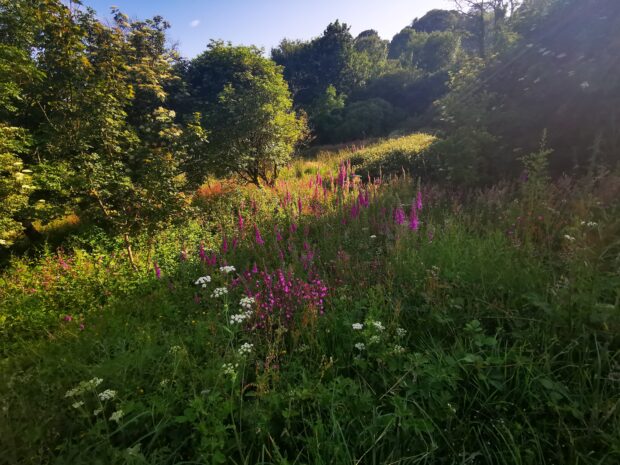
For an oasis in the city: Urban nature walks in Truro, Cornwall
For walks close to the city centre, Daubuz Moor offers riverside meadows, wetlands, wildflowers and woodland along the River Allen ideal for pushchairs, wheelchairs and short family walks. Coosebean Woodland has riverside paths, woodland trails and open green spaces. Visit Truro also has suggestions for stunning coast and countryside walks within 10 miles of Truro.
Getting there: Daubuz Moor is a 5-10 min walk north from Truro Cathedral to the gate on Moresk Road. For Coosebean Woodland follow the riverside path upstream from near Victoria Gardens or cross the footbridge from Truro railway station. Gate at the end of St George’s Road. Or use Coosebean Lane for a pram- or wheelchair-friendly path.
A few more favourites
We can’t mention everything so here are a few more of our favourite low cost, accessible places to visit in the South West this summer.
- Dorset: Studland Bay and Godlingston Heath - a stunning stretch of heath and dune backing onto golden sands, right on the King Charles III England Coast Path, and reachable by the seasonal open-top bus from Bournemouth or Swanage.
- Wiltshire: Cotley Hill National Nature Reserve - a hidden gem of chalk grassland near Warminster, home to rare orchids and a Bronze Age hillfort, with Warminster's rail and bus links putting it within easy reach of public transport.
- Somerset: Bridgwater Bay - vast tidal mudflats and saltmarsh teeming with wading birds, sitting alongside the England Coast Path, and accessible by local community transport schemes from Bridgwater.
- Avon and Mendip: Chapel Wood NNR - a peaceful pocket of ancient woodland near Chipping Sodbury, rich in birdlife come summer, with Yate station and connecting bus routes offer
- Cornwall: Lizard NNR – see the Natural Lizard website for events, walks and places to visit on The Lizard peninsula. Lizard Point has an accessible track and volunteer-staffed lookout point for seals and other wildlife. ing an easy approach from Bristol.
- Devon: Pebblebed Heaths and the Otter Estuary - for a stunning mix of heathland, wetland and coastal scenery. Accessible paths, viewing points and circular routes suitable for all ages make for a relaxed day out close to Exeter. For information visit Pebblebed Heaths Conservation Trust website.
- Devon: Yarner Wood, East Dartmoor National Nature Reserve - in England's first National Nature Reserve, enjoy a network of easy walking routes, including the 2km accessible Miles Without Stiles trail. Offering bird hides, a pond-dipping area, woodland artwork and peaceful picnic spots.
If you are visiting the coast, rivers or other open water, check local conditions, weather and tide times, follow safety signs and choose a lifeguarded beach where possible. Consult with Tide Times to help plan your visit, and read up on water safety advice before you set out.
With the recent dry, hot weather, wildfire risk is high across the countryside. Please pack a picnic instead of a barbecue, take your rubbish home with you, and if you spot an unattended fire, get to a safe place and call 999.
Remember to always follow the Countryside Code when you’re out and about in nature!
Recent Comments