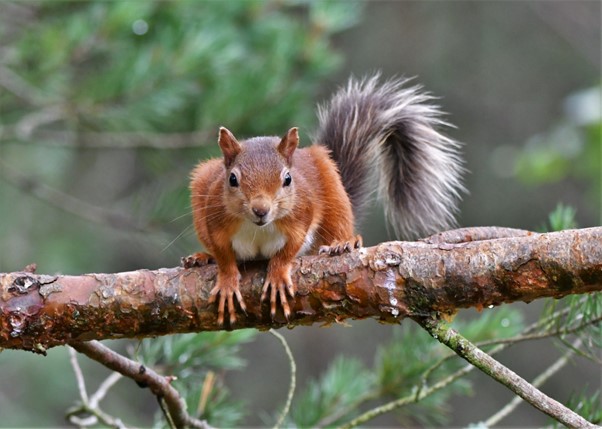
By Katherine Walsh – Senior Environmental Specialist for terrestrial mammals within the Chief Scientist Directorate at Natural England England's red squirrel is one of our most beloved native species, yet it has quietly disappeared from most of the country over …
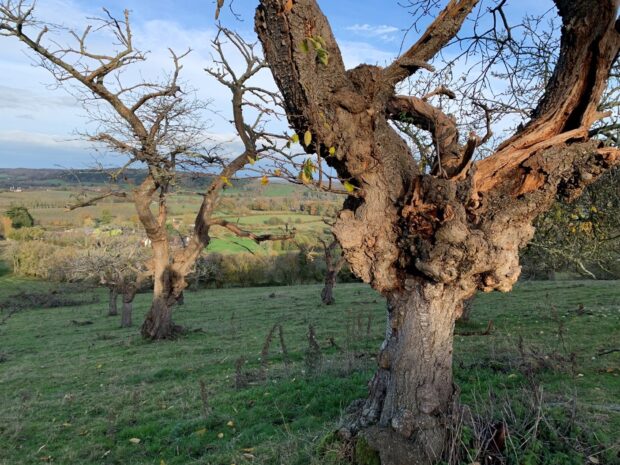
By Alisa Swanson, Natural England Agroforestry — the practice of combining trees with farming — is gaining renewed momentum as a practical way to increase tree cover and restore nature without sacrificing productive land. This post explores how Natural England …
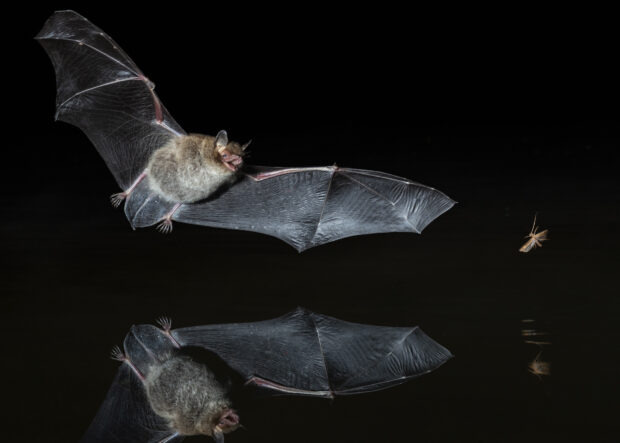
By Mike Smith – Deputy Director, Wildlife Licensing and Reform This blog outlines how Natural England is modernising the bat licensing system. It explores how we are building evidence to strengthen the planning system to deliver better outcomes for bat …
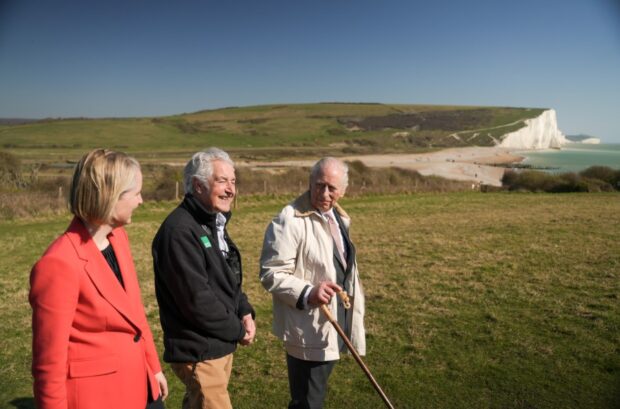
By Tony Juniper CBE, Chair of Natural England Nature recovery has taken a major step forward this week with the unveiling of one of the country’s most important National Nature Reserves by a long-standing champion of the natural world – His …
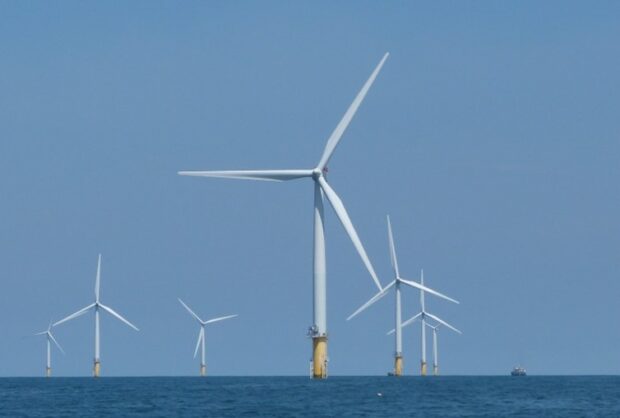
By Alex Banks, Principal Specialist, Ornithology. Offshore wind development is a vitally important part of the UK government approach to tackling the climate crisis and addressing energy security. At the same time, it is also vitally important that we protect …
In this post, Mike Morecroft, Deputy Director for Climate Change Science at Natural England, reflects on the Resilient Landscapes and Seas partnership symposium held recently in Edinburgh, where conservationists, scientists and land managers from across the UK and beyond came …
How do we know when a species is truly thriving, rather than just surviving? This is the question Natural England has been working to answer. We've now published new definitions that set out exactly what success looks like for four …
By Rachel Mewes – Marine Ornithology Specialist and ReSCUE Project Support, Eddie Cole – ReSCUE Project Lead and Andrew Harwood – Senior Marine Ornithology Specialist and ReSCUE Technical Lead Offshore wind expansion is critical to the UK government’s ambitions to …
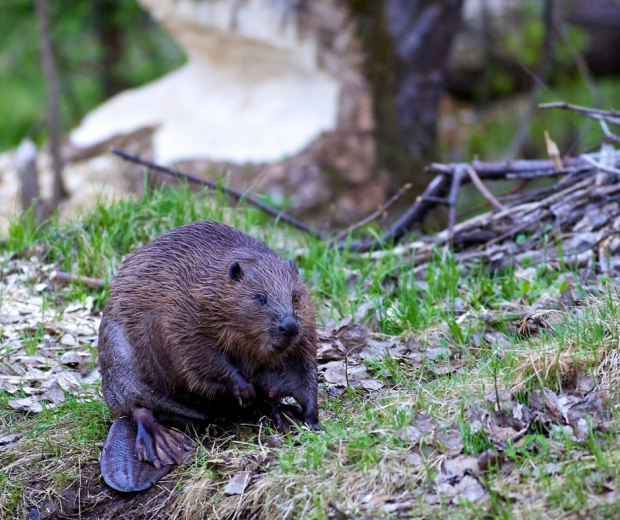
By Stuart Otway – Principal Officer, Complex Licensing; Delphine Pouget - Principal Officer, Species Recovery & Reintroductions; Giles Wagstaff - Senior Officer, Complex Licensing; Amy Radford – Senior Officer, Species Recovery & Reintroductions Two newly licensed beaver projects will very …
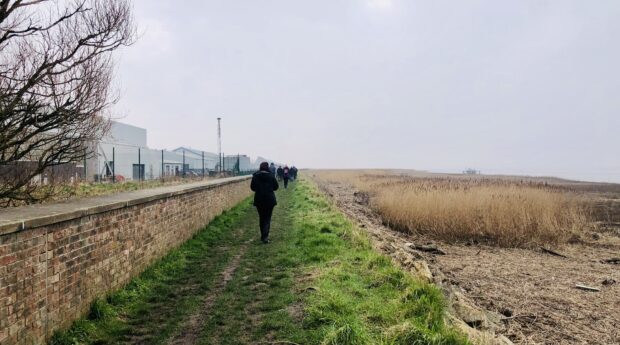
By Katharine Carson, Senior Officer, Sustainable Development, Yorkshire and Northern Lincolnshire Area Team When you think of the Humber Estuary, you might picture big stretches of mudflats full of wading birds like curlew and lapwing. Or maybe you think of the busy docks and …
Related content and links
Stories and updates from Natural England
We’re the government’s adviser for the natural environment, helping to protect England’s nature and landscapes for people to enjoy.
Recent Comments